Custom vs. semi-custom vs. stock cabinets — the honest comparison
Most competitor versions of this page quietly sell one tier. We build and install across the whole range — stock, semi-custom, full custom, and refacing — so here's the version with the cost table, the lead times, and the plain-English rule for which one your kitchen actually needs.
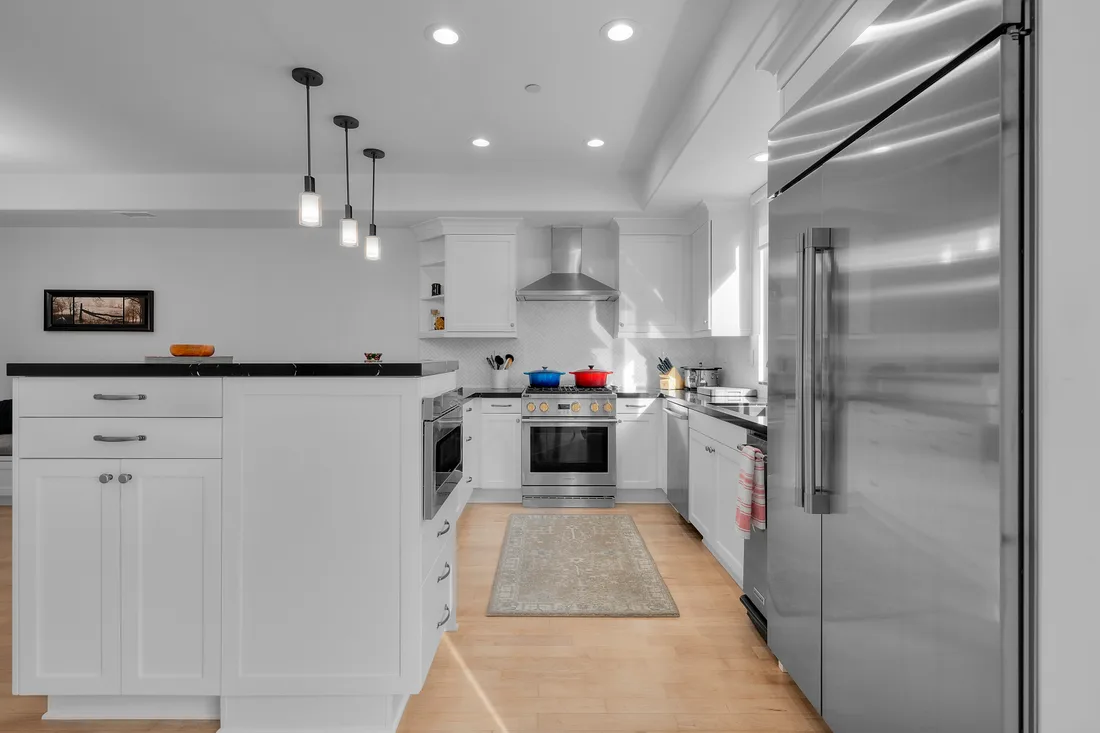
Stock vs. semi-custom vs. custom cabinets
The whole comparison on one screen. Ranges are market-typical for the South Bay and greater Los Angeles, installed — a starting frame for your budget, not a quote for your kitchen.
| Stock | Semi-custom | Custom | |
|---|---|---|---|
| Cost per linear foot | $100–$300 | $400–$900 | $500–$1,200+ |
| ~10×10 kitchen (≈20 LF) | ~$3,000–$8,000 | ~$5,000–$18,000 | ~$12,000–$24,000+ |
| Lead time | 0–3 weeks | 4–8 weeks | 8–16+ weeks |
| Sizing | Fixed 3-inch increments; filler-heavy fit | ~1-inch adjustments | Any size — built to your walls |
| Boxes & drawers | Particleboard common | Plywood available | Plywood boxes, dovetailed drawers, panel-ready |
Market-typical installed ranges for the South Bay and greater Los Angeles — not a quote. Refacing is a fourth path when your existing boxes are sound.
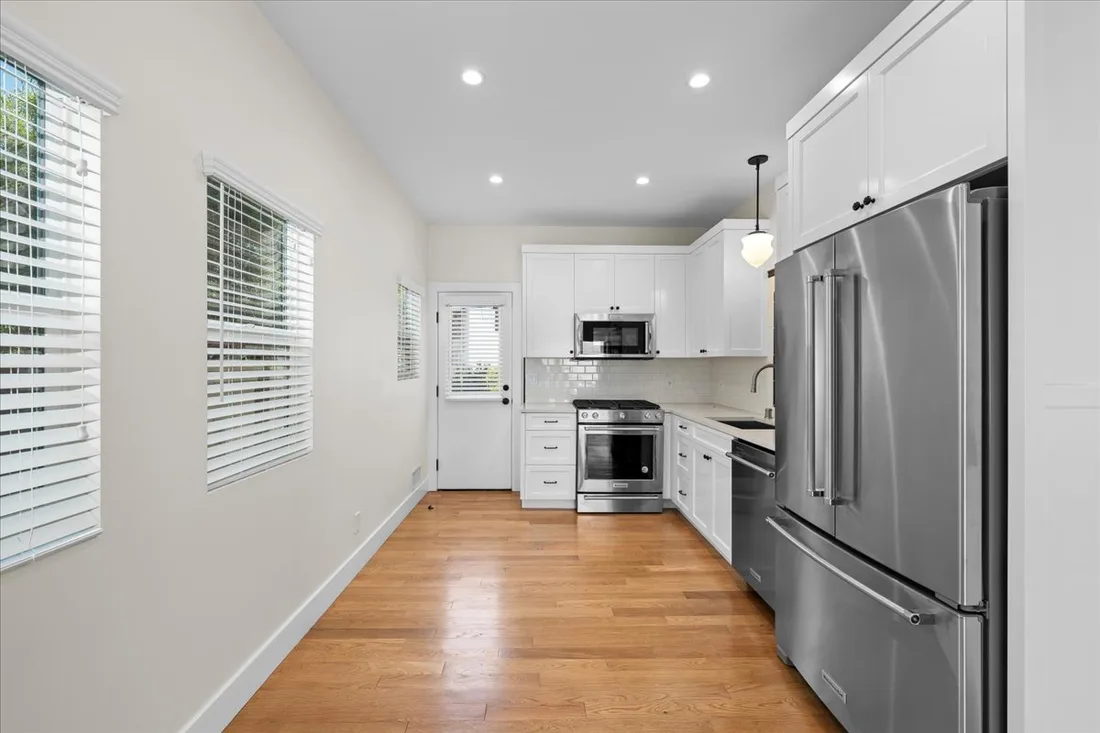
Stock cabinets — when 3-inch increments are fine, and when they aren't
Stock cabinets ship in fixed 3-inch widths from a warehouse, so they're the fastest and cheapest path — often on-site in a week or two, at market-typical prices well under semi-custom. For a rental refresh, a laundry room, a garage, or a simple galley where the wall runs happen to land near a standard size, stock is the sensible, honest answer. There's no premium to pay for cabinetry no one will scrutinize.
Where stock breaks down is fit. Because widths jump in 3-inch steps, any run that doesn't divide cleanly gets closed with filler strips — flat blank panels that eat usable space and read as "builder-grade" up close. Particleboard boxes are common at this tier, so long-term durability and how the cabinet handles moisture are the trade you're making for speed and price. If your kitchen has awkward wall lengths, an island, or you plan to keep it ten-plus years, stock's savings can quietly evaporate into wasted space.
How to judge cabinet quality →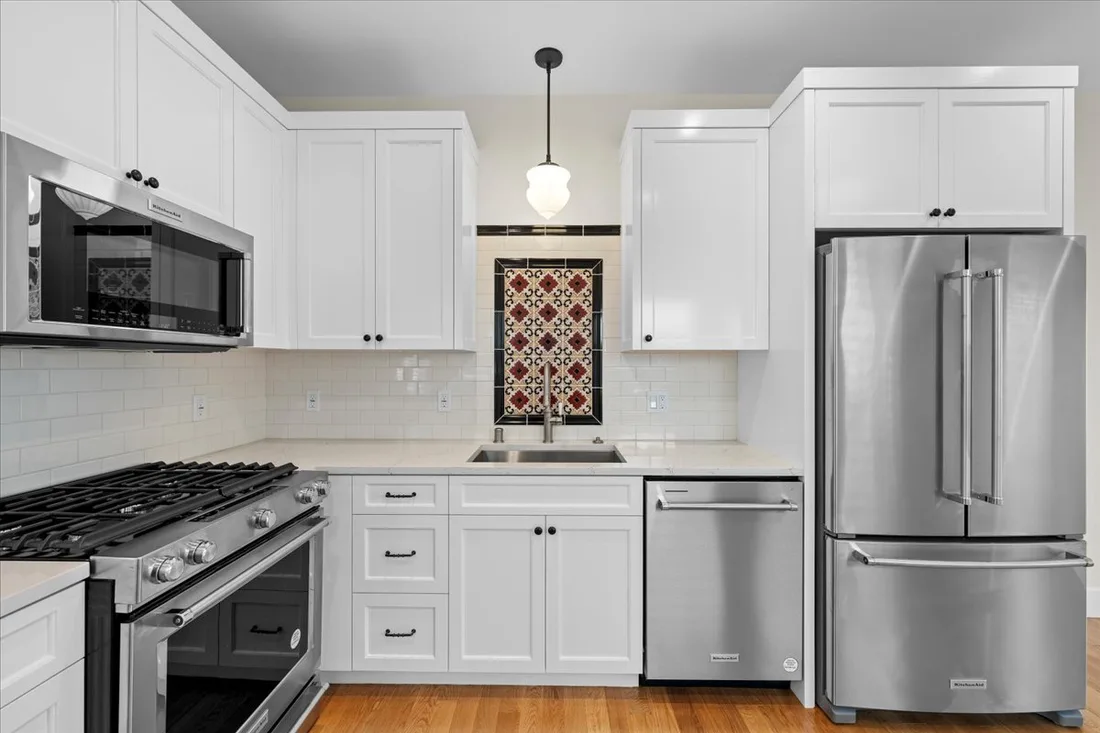
Semi-custom — roughly 90% of custom's function at about 60% of the cost
Semi-custom is the sweet spot for most South Bay kitchens. You're still ordering from a manufacturer's line, but with roughly 1-inch width adjustments, a real menu of door styles, finishes, and interior fittings, and plywood box upgrades available. That inch of flexibility is what kills most of stock's filler problem, and the wider catalog gets you the look you actually want. For a large share of homeowners it delivers close to what full custom does day to day, at a meaningfully lower price and a shorter 4-to-8-week lead time.
The honest limit: semi-custom still works within a catalog. Ceiling-height runs, a fully integrated panel-ready appliance wall, an unusual angle, or a truly out-of-square room can hit the edges of what the line offers, and you'll fill the last gaps with — again — fillers. If your kitchen is close to standard and you want strong function without the custom premium, semi-custom is very often the right call, and we'll say so.
What a full remodel costs →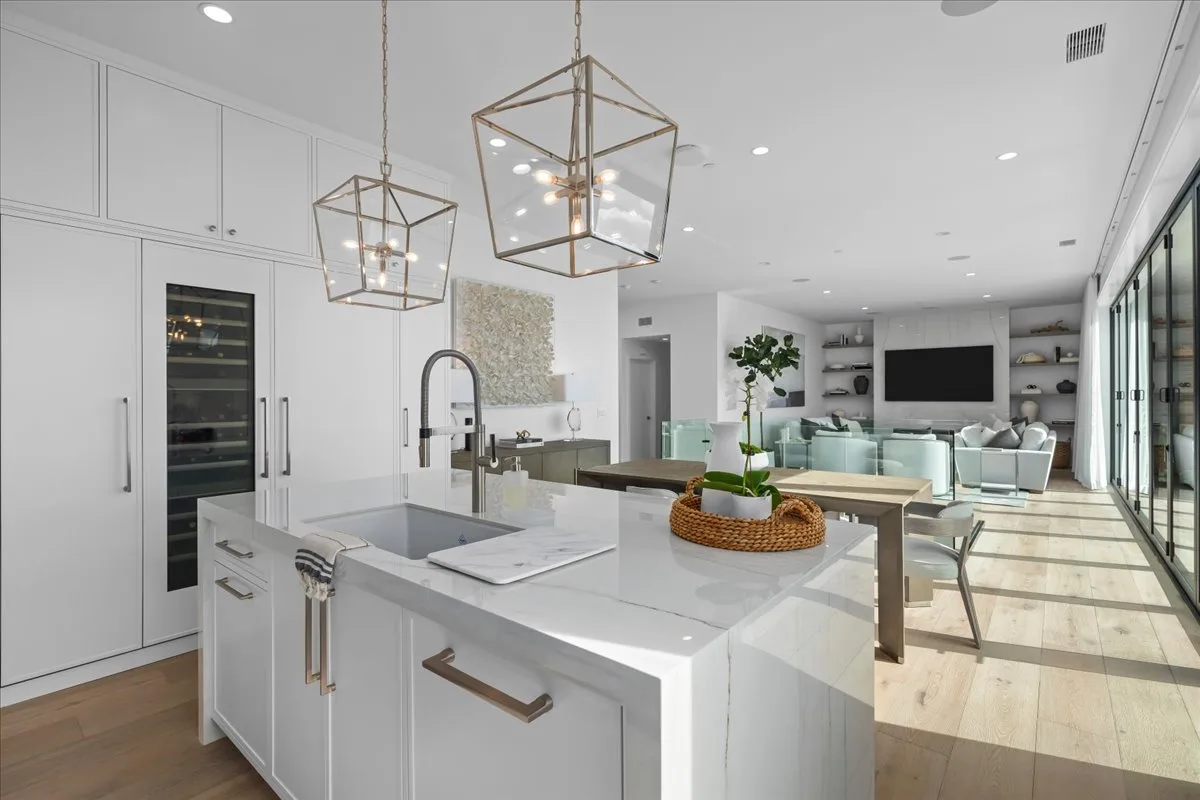
Full custom — built to your walls, scribed to a room that isn't square
Full custom means there is no catalog. Cabinets are built to your exact dimensions, in any size, with plywood boxes, dovetailed solid-wood drawers, and panel-ready fronts that let refrigeration and dishwashers disappear into the run. The reason a $900-per-linear-foot cabinet costs what it does isn't exotic material — a cabinet at that price often carries only about $300–$500 in materials. The rest is labor and finish: the joinery, the hand-fitting, and the multi-step finishing that a machine-packed stock box never receives.
This is also where the South Bay's housing stock earns custom its keep. Mid-century Torrance and El Segundo homes — and older Palos Verdes properties — are frequently out-of-square, with soffits, non-standard openings, and walls that drift an inch across a run. Custom cabinetry is scribed to those walls so it fits like it grew there, with no filler strips and no gaps. Recent-build homes with sound boxes are usually the opposite case — prime candidates for refacing rather than replacement, which is the fourth path below.
Explore full custom cabinetry →Four paths, and how to pick one
Full custom cabinetry
Built to your walls with plywood boxes, dovetailed drawers, and panel-ready fronts. The right call for out-of-square rooms and integrated-appliance kitchens you'll keep for the long haul.
Learn more →Semi-custom cabinets
Roughly 1-inch flexibility, a real style menu, and plywood upgrades — close to custom function for most kitchens at a lower price and a shorter lead time.
Learn more →Judge quality within any tier
Box material, drawer joinery, hinges, and finish tell you more than the tier label. How to read a cabinet before you buy — at any price point.
Learn more →Refacing — the fourth option
New doors, drawer fronts, and veneer on your existing boxes. Market-typical 30–50% less than replacement and a 3–5 day install — when the boxes underneath are sound.
Learn more →What a remodel costs
Cabinets are the biggest line item, but not the only one. See market-typical figures for a full South Bay kitchen before we price yours in writing.
Learn more →Full kitchen remodels
When cabinets are part of a bigger change — layout, counters, appliances, lighting — handled by one accountable team from design to final walkthrough.
Learn more →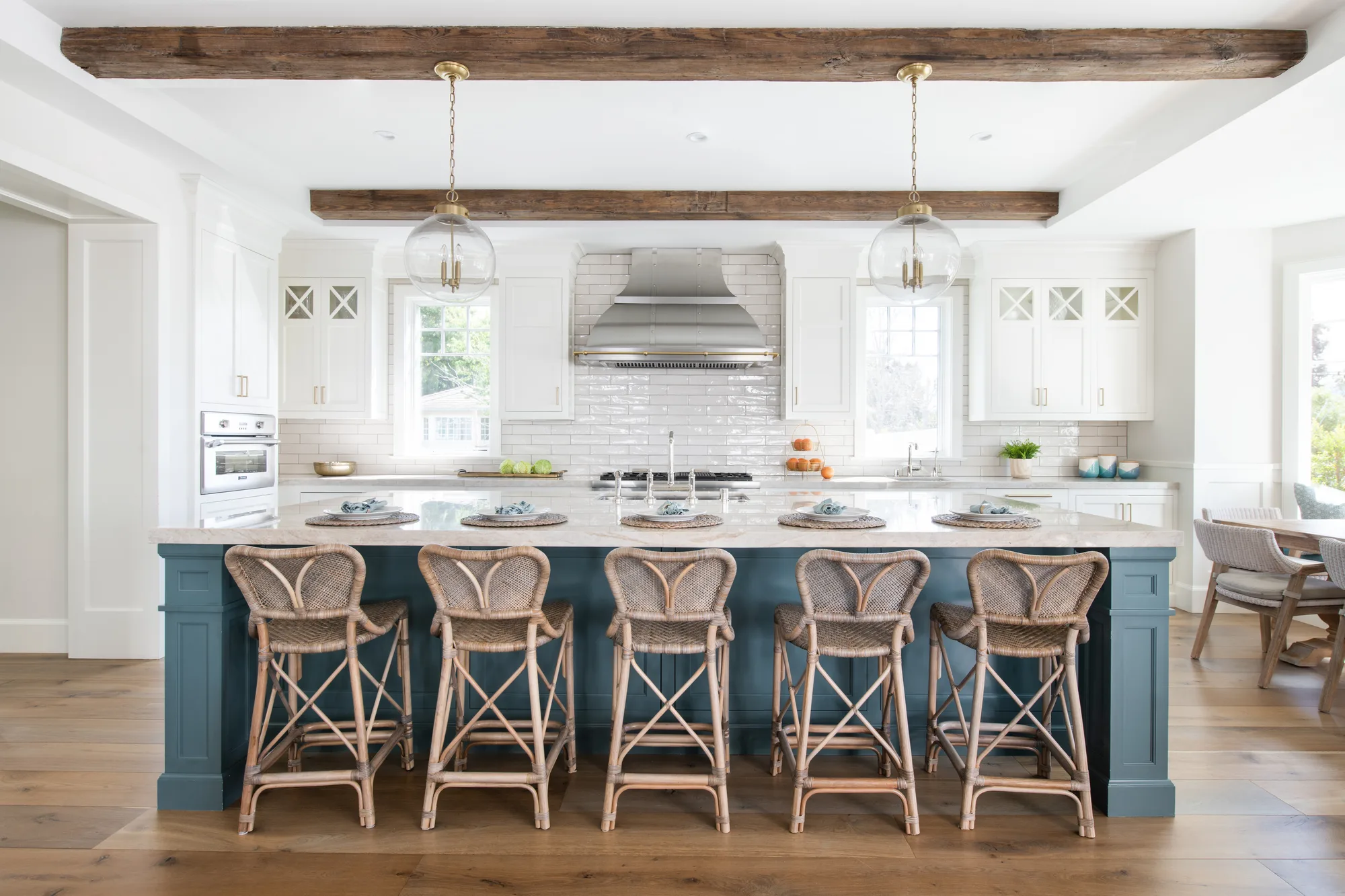
A $900 cabinet has maybe $400 in materials. You're paying for the joinery and the finish — or you're not.
Reface vs. replace — when new boxes are money you don't need to spend
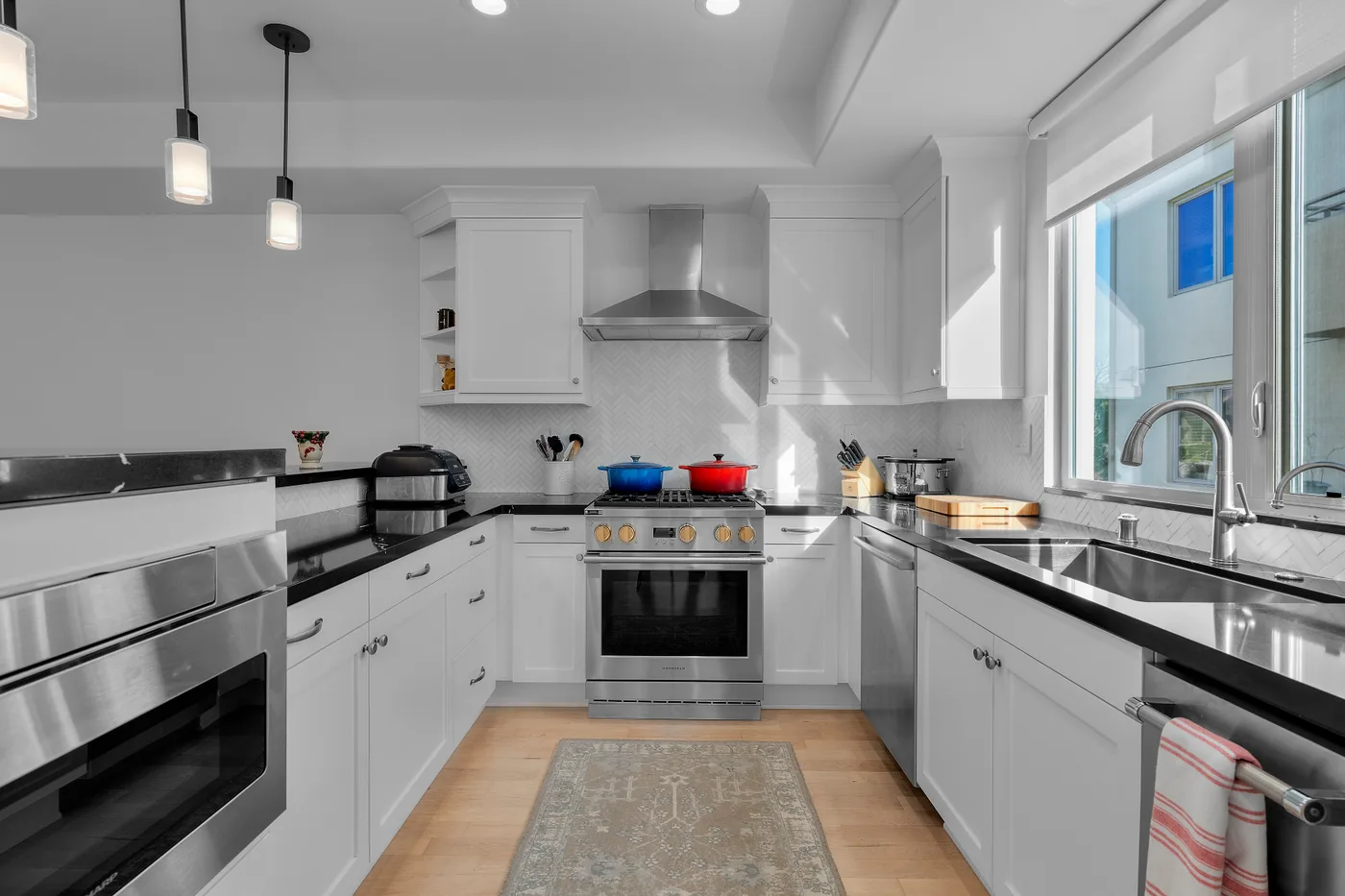
If your existing cabinet boxes are structurally sound and the layout already works, refacing keeps them and replaces what you see: new doors, new drawer fronts, and a matching veneer over the box faces. It runs market-typical 30–50% less than a full replacement and installs in roughly 3–5 days rather than weeks, because there's no demolition and no waiting on a full custom build. For a recent-build South Bay home with solid plywood or even decent particleboard boxes in good shape, it's frequently the smartest money in the whole kitchen.
Refacing stops making sense when the bones are the problem — water-damaged or sagging boxes, a layout you actually want to change, or a plan to relocate the sink, range, or an island. At that point you're paying to dress up something you're about to fight, and new cabinetry is the honest answer. We'll tell you which side of that line your kitchen is on before you spend anything.
See how cabinet refacing works →Why buy cabinets from a specialist that sells every tier.
No tier to push.
We build stock, semi-custom, custom, and refacing — so the recommendation follows your kitchen and budget, not our inventory.
One accountable team.
Design through final walkthrough under one roof — no subcontractor chaos, no finger-pointing between supplier and installer.
A fixed written scope.
Every tier quoted in writing before we start, with a line-item breakdown. No vague bids, no surprise change orders.
Licensed & insured.
Milestone payments tied to real progress — never a big check up front — backed by our 2-year workmanship warranty.
Cabinet cost and tier questions
How much do custom cabinets cost per linear foot?
Market-typical custom cabinetry runs about $500–$1,200+ per linear foot installed in the South Bay and greater Los Angeles, versus roughly $400–$900 for semi-custom and $100–$300 for stock. The spread within custom comes from wood species, finish complexity, and interior fittings. These are starting ranges for budgeting, not a quote — we price your kitchen in writing.
Is semi-custom worth it over custom?
For most kitchens, yes. Semi-custom delivers close to full custom's day-to-day function — about 1-inch sizing flexibility, a wide style menu, and plywood box upgrades — at roughly 60% of the cost and a shorter lead time. Full custom earns its premium when your room is out-of-square, you want ceiling-height or fully integrated panel-ready runs, or you have a truly non-standard layout the catalog can't reach.
What's the difference between stock and semi-custom?
Stock ships in fixed 3-inch width increments, so odd wall runs get closed with filler strips, and particleboard boxes are common. Semi-custom allows roughly 1-inch adjustments, offers a much larger menu of styles and finishes, and makes plywood boxes available. That inch of flexibility is what removes most of stock's filler problem and gets you a better fit.
Are custom cabinets worth the money?
When the room demands it, yes. A $900-per-linear-foot custom cabinet typically carries only about $300–$500 in materials — the rest is labor and finish: joinery, hand-fitting, and multi-step finishing. That's real value in an out-of-square room or an integrated-appliance kitchen you'll keep long-term. In a near-standard kitchen, semi-custom often gets you most of the way for less, and we'll say so.
How long do custom cabinets take?
Full custom is typically an 8-to-16+ week build because each piece is made to your dimensions, versus roughly 4–8 weeks for semi-custom and 0–3 weeks for stock off the shelf. Refacing is the fastest path at about 3–5 days on-site. Timelines vary with finish, size, and shop schedule — we confirm yours before you commit.
Should I reface instead of buying new?
Reface when your existing boxes are structurally sound and the layout already works — it runs market-typical 30–50% less than replacement and installs in about 3–5 days. Replace when the boxes are damaged or sagging, or when you want to change the layout, move the sink or range, or add an island. We'll tell you which side of that line your kitchen is on before you spend anything.
Do custom cabinets add resale value?
Quality cabinetry is one of the most visible upgrades in a kitchen, and a well-fitted, well-finished kitchen shows and photographs better than one full of filler strips and worn fronts — which matters in South Bay resale. That said, the goal is the right tier for your home, not the most expensive one: over-building for a modest home rarely returns the premium, and a clean semi-custom or reface can be the smarter resale move.
Not sure which tier your kitchen needs?
Tell us about your cabinets and layout and we'll point you to the honest answer — stock, semi-custom, custom, or reface. A real person answers, usually the same day.