Is a kitchen remodel worth it? ROI and added value in the South Bay
It is the question behind the question. The national answer is encouraging. The South Bay answer is more interesting — because in a land-value market, a kitchen is less an investment than a discount you stop taking.
Before anyone commits to the most disruptive and most expensive room in the house, they want to know whether it pays off. The remodeling-value studies land in a consistent place year after year, and it is a good place: the kitchen is among the highest-returning projects in the house.
But the standard advice — spend in the sensible middle, do not over-improve, choose neutral finishes — was written for a national median market. Applied without adjustment to a South Bay where the dirt under the house carries most of the value, some of it holds up and some of it quietly misleads.
This guide covers what the return data actually says, why the math works differently here, and the specific situations where we will tell a homeowner that remodeling is the wrong move. Every figure below is a typical, market-reported range rather than a guarantee. Nobody can promise you a resale number, and you should be wary of anyone who does.
What the national return data says
Three findings show up consistently across the annual remodeling-value studies, and they are worth knowing before we complicate them.
Minor and mid-range kitchen remodels recoup the most. A well-executed minor remodel is commonly cited as recovering somewhere around 90 percent or more of its cost at resale — near the top of any home-improvement category, and consistently ahead of bathrooms, additions, and almost everything else interior.
A quality kitchen remodel typically adds meaningful dollar value, with figures commonly reported in the tens of thousands depending on scope and market.
Upscale and luxury remodels recoup a lower percentage — frequently cited in the 60 to 80 percent range — because the absolute spend is so much higher. You get back a smaller share even as the dollars added can be substantial.
The conventional reading of this is: spend in the middle, because return-per-dollar peaks there. That is sound advice in most of the country. Here it needs a second look.
A dated kitchen costs more than it looks like it should
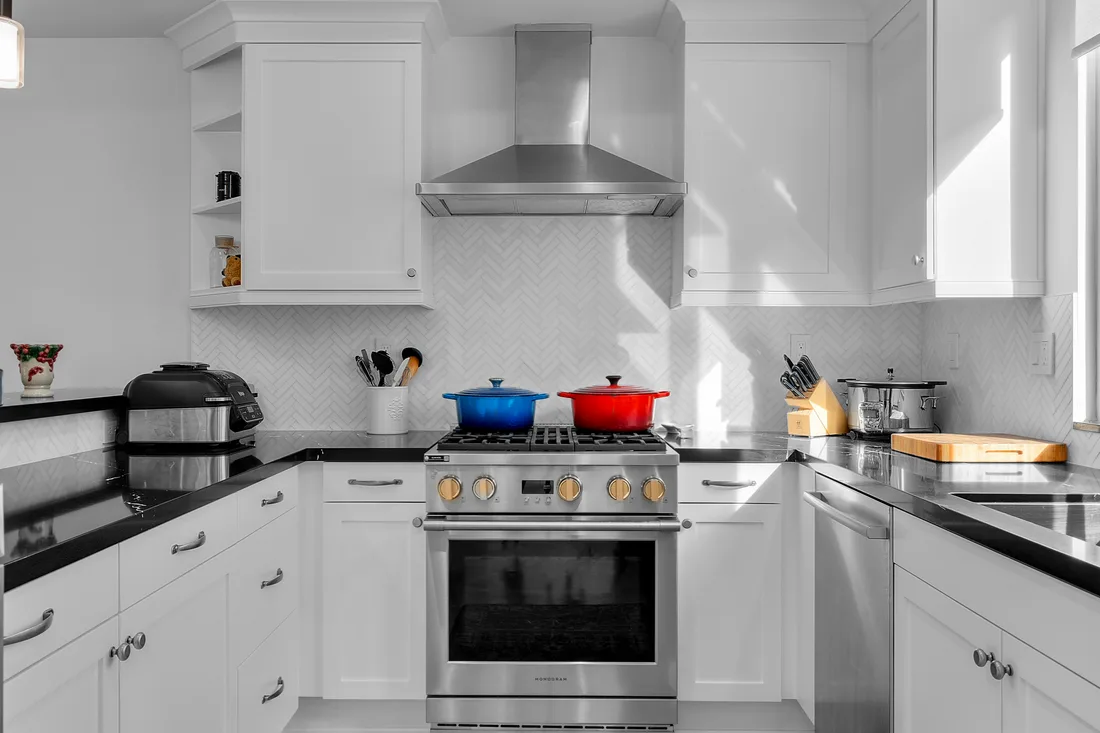
In a market where homes trade well above national medians and much of that value sits in the land and the location, a dated kitchen does not reduce a home's value in proportion to what it would cost to fix. It reduces it by considerably more. Understanding why is the most useful thing in this guide.
A buyer looking at a tired kitchen is not mentally subtracting the price of a remodel. They are subtracting the price of a remodel, plus a margin for the contractor they will have to find and manage themselves, plus a contingency for whatever is behind the walls, plus a real discount for the months of disruption they will live through after moving in, plus the risk premium of not knowing what any of it will actually cost. Those layers stack, and they stack against you.
Which is why a kitchen that lives up to the address does something more valuable than adding its cost back. It removes an objection that was being priced at a multiple of its cost. It also tends to shorten time on market, and in negotiation it moves the conversation away from the one room the buyer had leverage on.
The corollary matters just as much. In a premium neighborhood, under-improving is the bigger risk, not over-improving. A serviceable but unremarkable kitchen in a house priced like its neighbors reads as deferred work, and it gets negotiated accordingly.
The neighborhood sets the limit, and it is not the same limit everywhere
Over-improvement is a real risk. It is just not evenly distributed across the South Bay, and generic advice treats it as though it is.
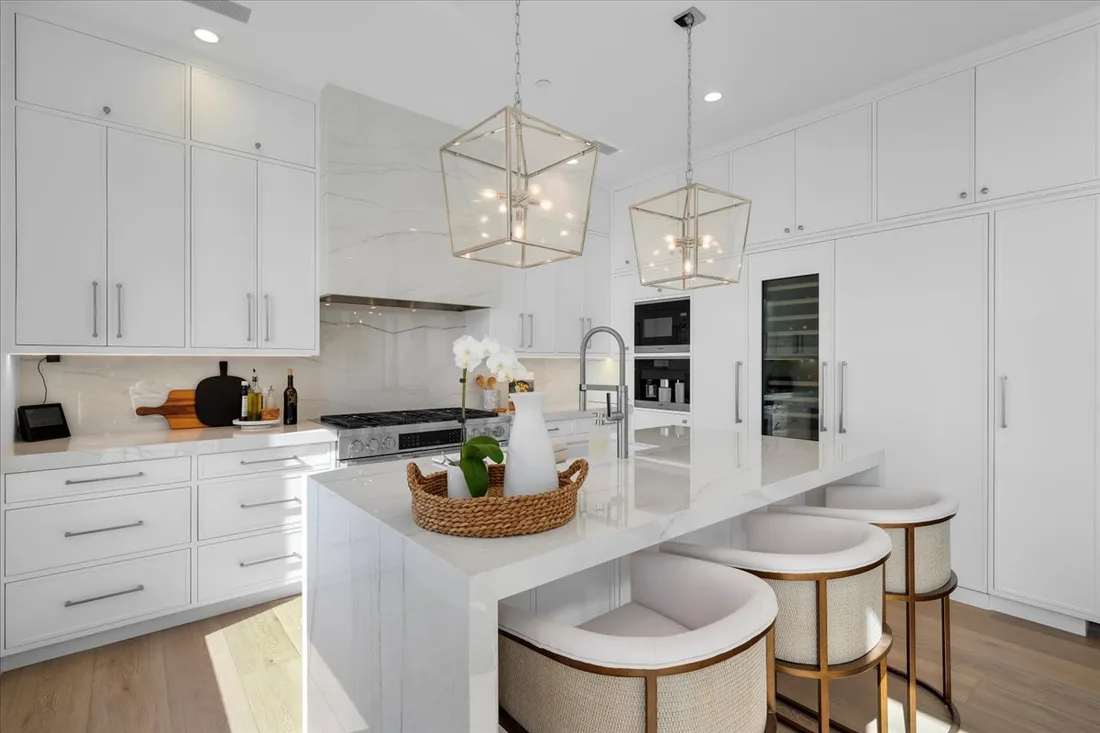
In the beach cities and on the Palos Verdes Peninsula, the practical ceiling is very high. Buyers at these price points expect a kitchen that matches the house — marquee appliances, real stone, integrated refrigeration, custom cabinetry. Spending genuinely well here is difficult to overdo, because the comparable sales support it and the buyer pool has that expectation baked in.
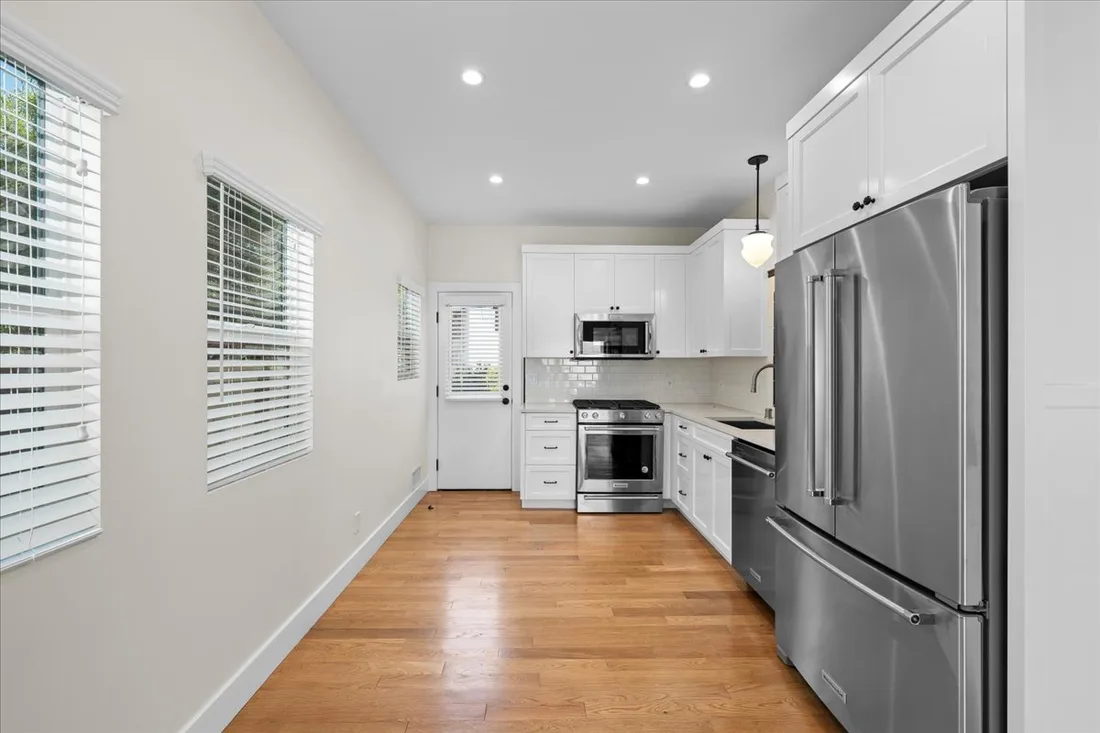
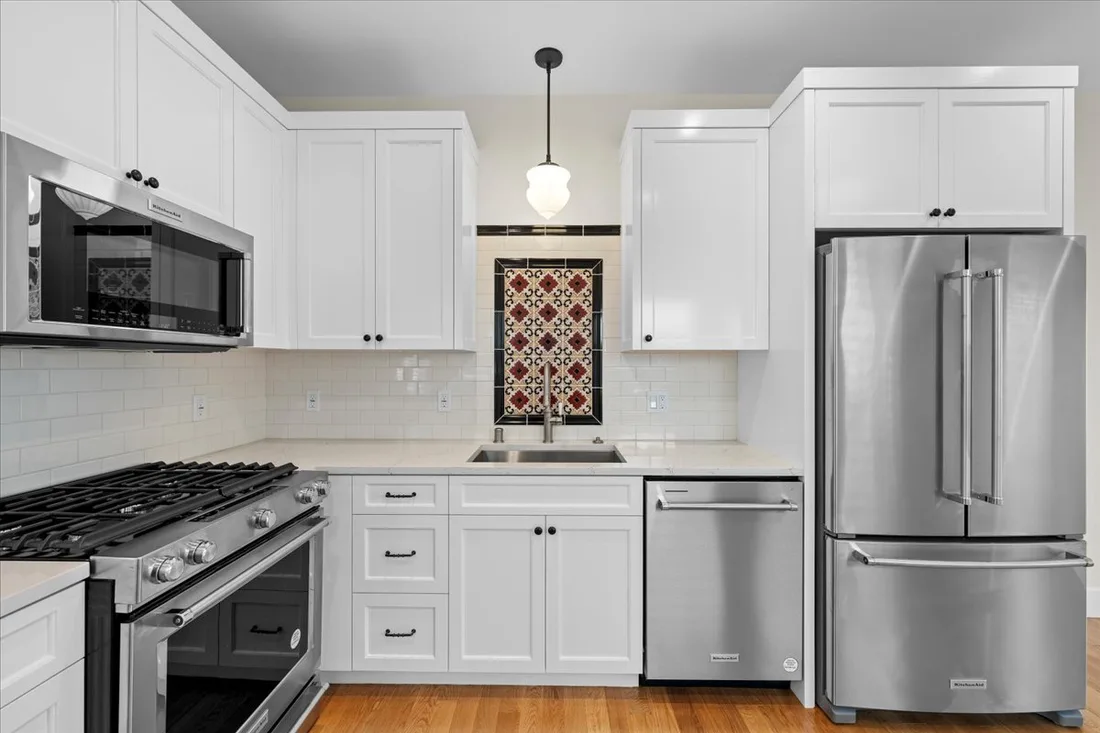
In the post-war tracts of West Torrance, North Redondo, Lawndale, and Gardena, the ceiling is closer and firmer. These are wonderful, well-built neighborhoods with real demand, but the comparable sales define a band. A kitchen specified for a Lunada Bay estate, installed in a 1,400-square-foot tract home, will not return proportionally — the appraisal has nowhere to go, because the comps do not exist.
The useful exercise is not to ask what a kitchen costs. It is to ask what the best houses on your street actually sold for, and what their kitchens looked like. That answers the ceiling question directly, and it is the number worth knowing before you set a budget rather than after.
The honest version of this advice is that we would rather design a very good mid-range kitchen that fits your block than sell you a spectacular one that does not.
Remodeling to sell, or remodeling to live in it
The right way to invest depends on your horizon, and the honest advice genuinely differs. Most homeowners sit somewhere between these columns — knowing which one you are closer to is most of the decision.
| Selling within a year or two | Staying five-plus years | |
|---|---|---|
| The goal | Maximum return per dollar | Daily life, with value protected |
| Finishes | Broadly appealing and photogenic; neutral enough that buyers project themselves into it | What you actually love, within reason for the block |
| Layout | Fix what is obviously wrong; avoid moving plumbing if the slab makes it costly | Get it genuinely right — this is the thing you will feel every single day |
| Appliances | Match the tier buyers expect at your price point, no further | Buy the range you want; you have years to enjoy it |
| Custom storage | Modest — buyers rarely pay a premium for it | High value; deep drawers and real pantry storage change daily life |
| Where to spend | Cabinets, counters, lighting, and flow — what a buyer clocks in ten seconds | Layout, storage, and the elements you touch every day |
| Biggest mistake | Over-personalizing, or over-spending past the neighborhood ceiling | Cutting the layout to save money you will regret for a decade |
One thing sits in both columns: build quality and a closed permit record. A remodel that ran late, went over budget, or was done without permits does not return well and does not feel good to live in. That is part of the ROI, even though no study measures it.
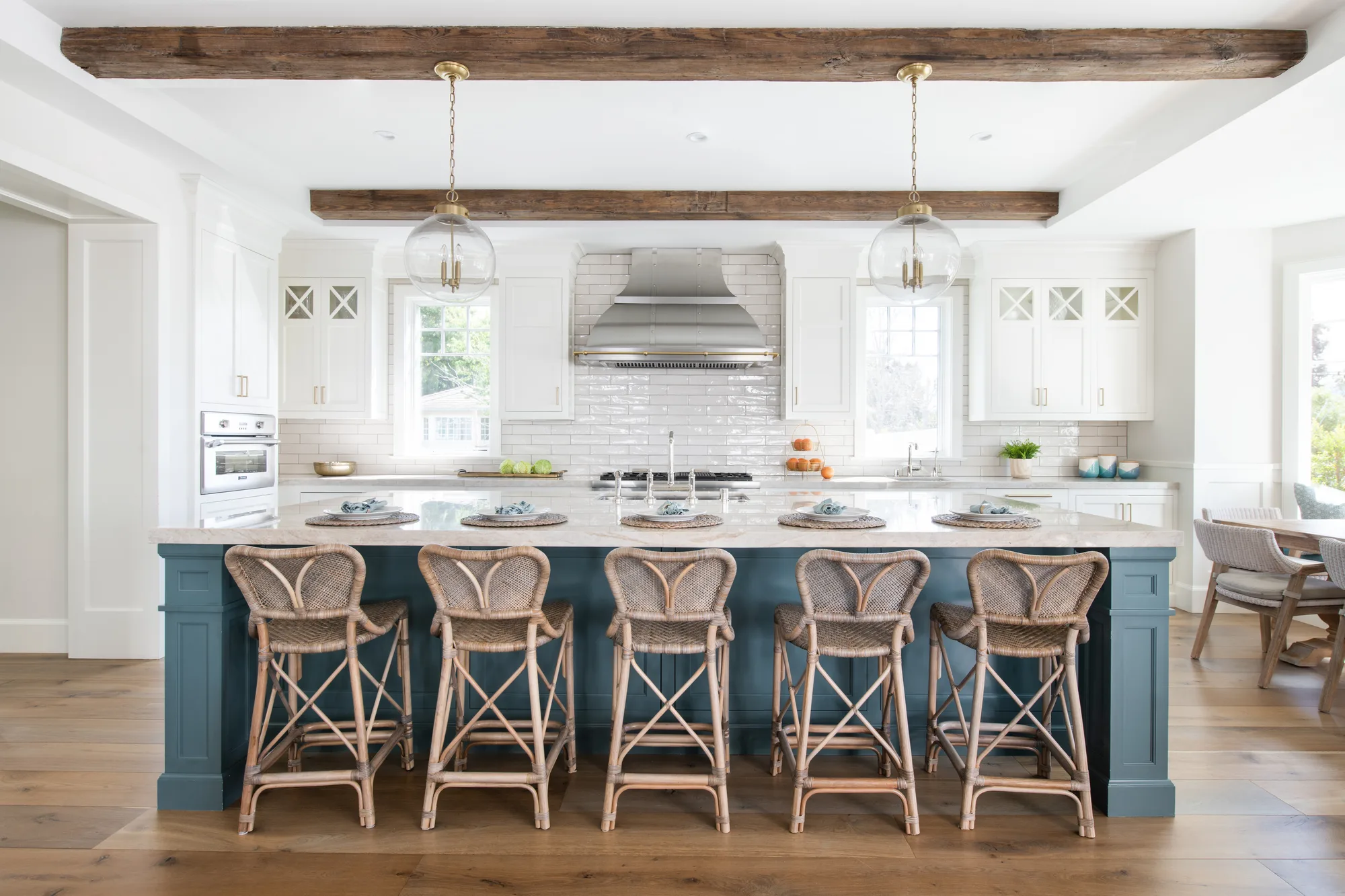
Buyers judge the whole house by the kitchen. A dated one makes everything else feel dated too — and that is the part that gets negotiated.
When we will tell you not to remodel
We build kitchens for a living, so treat the following as costing us something to say. There are situations where a remodel is the wrong call, and a contractor who never mentions them is not being straight with you.
- 01
When your buyer is going to demolish it anyway.
On some blocks — parts of the Manhattan Beach Sand Section especially — a meaningful share of buyers are purchasing for the lot and the location, and a new kitchen will not survive their plans. If your realtor's honest read is that your likely buyer is a builder or a major renovator, money spent on cabinetry is money spent for someone's dumpster. Clean, decluttered, and priced right beats remodeled in that scenario.
- 02
When you are selling in under three months.
A full custom remodel does not fit that window once you account for design, permitting, and cabinet lead times, and a rushed one shows. If the timeline is short, refacing, new hardware, paint, and lighting deliver most of the visual lift in a fraction of the time. We will point you at the smaller job.
- 03
When the rest of the house cannot carry it.
A spectacular kitchen attached to failing systems, an original bathroom, and a roof at the end of its life creates a jarring impression rather than a good one. Buyers read the contrast as evidence of selective spending. Sometimes the roof is the better project this year, and we will say so.
- 04
When the budget only covers half the job.
A remodel that stops partway — new cabinets against an old floor and a soffit you decided to leave — tends to satisfy nobody and return poorly. Better to phase it deliberately with the design done up front, so phase two lands correctly, than to run out of money mid-composition.
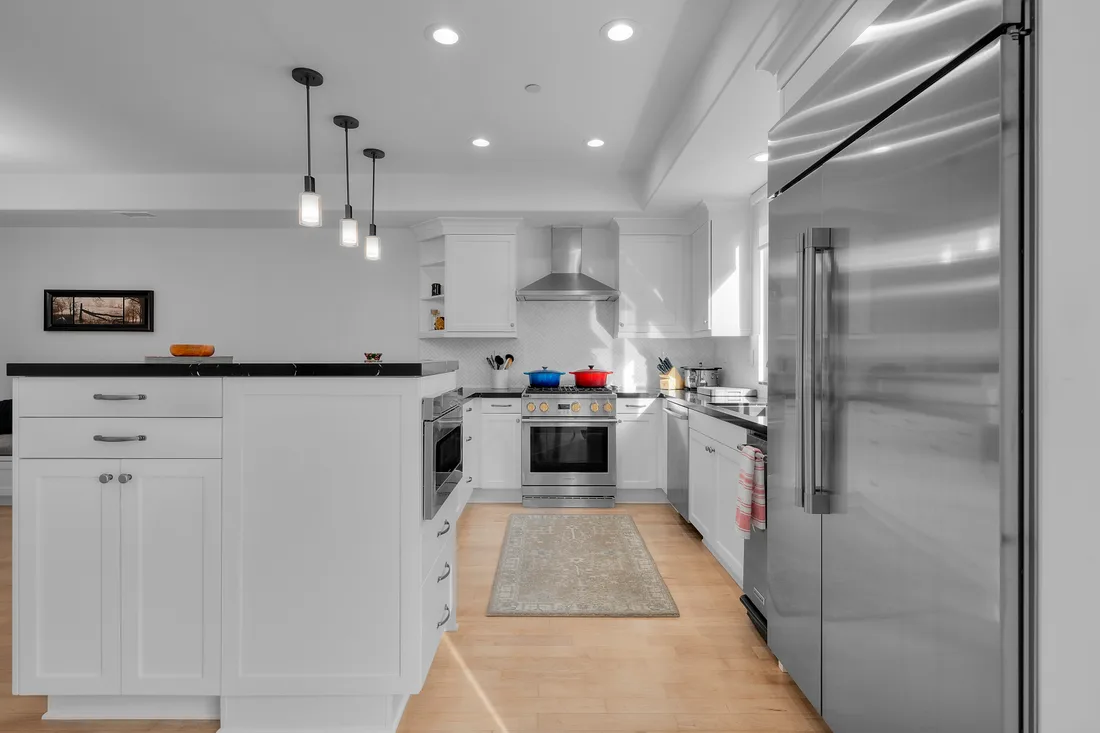
The things that quietly determine whether it pays off
Get the layout right. Flow and function are what people remember and what a buyer feels within seconds of walking in, usually without being able to articulate why. A beautiful kitchen with an awkward layout underperforms a plainer one that simply works. This is the least glamorous line item and the one most worth protecting when budgets tighten.
Choose materials that age. Warm neutrals, natural wood, and quality stone still look considered in ten years. A hyper-specific trend choice dates fast and reads as a cost to the next owner rather than a feature.
Close your permits. An unpermitted kitchen is a live problem in escrow — South Bay buyers and their agents routinely pull permit history, and a visible gap becomes a renegotiation or a demand for retroactive permitting at considerably greater cost. Appraisers are also generally unwilling to give full credit for work with no record. Our permit guide covers what your city requires.
Do not skip the unglamorous systems. If the panel needs upgrading or the supply lines are galvanized, doing it now while the walls are open costs a fraction of doing it later, and leaving it undone is exactly the kind of thing an inspection surfaces at the worst possible moment.
Finish on time and on budget. This sounds like marketing. It is arithmetic. Overruns and delays come directly out of the return, and there is no line in any study that gives you credit for having meant well.
Read the permit guide →So — is it worth it?
For most South Bay homeowners, yes, and for a slightly different reason than the national studies suggest. The return is real, but the larger effect is that a kitchen matching the address removes an objection that buyers were pricing at well above its cost.
If you are staying, there is a second ledger that no study measures and that most homeowners tell us mattered more in the end: years of daily use of a room built around how you actually cook, gather, and live. That is not a rounding error. It is most of the point.
The projects that do not pay off are the ones that over-improve past the block, chase a trend, skip the permits, or run late and over budget. Invest deliberately, match the home and the market, build it properly, and the kitchen remains one of the soundest improvements you can make to a South Bay home.
Kitchen remodel ROI FAQ
Is a kitchen remodel worth it?
For most homeowners, yes. The kitchen is among the highest-returning remodels in the house, with well-executed minor remodels commonly cited as recouping around 90 percent or more of their cost. In high-value South Bay neighborhoods there is an additional effect: buyers discount a dated kitchen by more than it costs to fix, because they price in disruption, risk, and their own contractor markup.
How much value does a kitchen remodel add?
Market-reported figures commonly land in the tens of thousands, depending on scope and market. In premium South Bay neighborhoods the bigger effect is often indirect: an updated kitchen removes a major buyer objection, can shorten time on market, and takes away the one room a buyer had clear negotiating leverage on.
Do upscale kitchen remodels have lower ROI?
By percentage, usually yes — luxury remodels are frequently cited in the 60 to 80 percent range because the total spend is so much higher, even though the absolute dollars added can be large. That said, in the beach cities and on the Palos Verdes Peninsula the buyer pool expects a kitchen at that tier, so under-improving carries its own real cost.
Should I remodel my kitchen before selling?
Often it helps, particularly if the kitchen is dated in a high-value neighborhood. Aim for a broadly appealing remodel that reads as move-in-ready rather than the most expensive version. But there are exceptions: if your likely buyer is purchasing for the lot, or you are selling in under three months, a lighter refresh is the better use of the money and we will tell you so.
Can I over-improve my kitchen?
Yes, and it depends heavily on where you are. In the post-war tracts of West Torrance, North Redondo, Lawndale, and Gardena the neighborhood ceiling is real and reasonably close. In the beach cities and on the Peninsula it is very high and difficult to exceed. The useful test is what the best houses on your street sold for, and what their kitchens looked like.
Does unpermitted work affect resale value?
Materially, yes. South Bay buyers and their agents routinely pull permit history from the city, and a kitchen that plainly postdates its last permit becomes a renegotiation, a holdback, or a demand for retroactive permitting — which costs considerably more than permitting in sequence. Appraisers are also generally unwilling to give full credit for work without a record.
Why do kitchens matter so much for resale?
Buyers judge an entire house by its kitchen — it is the room families actually live in and where guests gather. A dated kitchen makes the whole house feel dated, and in a premium market it reads as deferred maintenance. A kitchen that matches the home's price tier removes that read entirely.
Thinking about the return on your remodel?
Tell us your goals — resale, forever home, or somewhere in between — and where you live. We will help you invest where it counts, and tell you honestly if we think you should not.