Quartz vs. quartzite vs. granite vs. marble: which countertop is right for you?
The four countertops most South Bay kitchens come down to — compared honestly on cost, heat, staining, etching, and upkeep. The short version is below; the full breakdown, including where each one fails, is underneath it.
The short answer
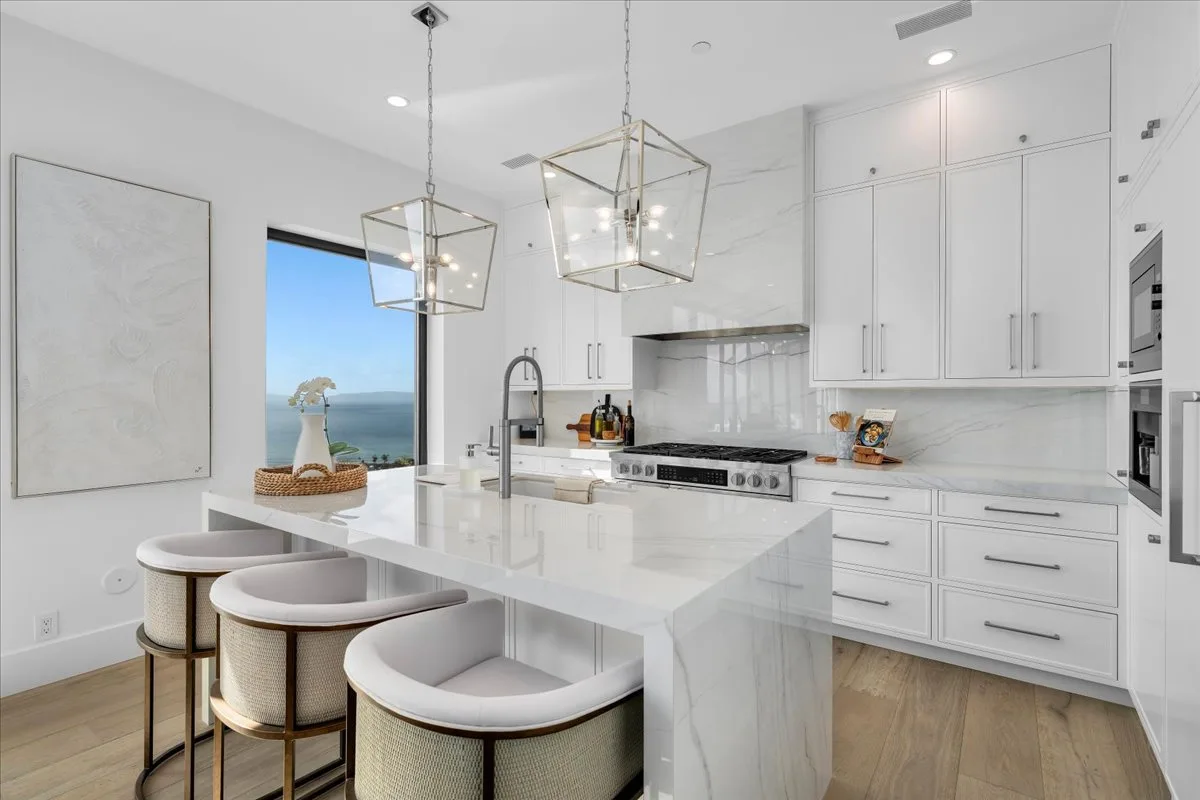
Quartz is the low-maintenance all-rounder — the marble look with no sealing — but it isn't heatproof and can yellow in direct sun. Quartzite gives you that marble look with better durability and no etching, at the cost of periodic sealing. Granite wins on heat resistance at a lower price. Marble is the most beautiful but etches permanently from everyday acids. For most coastal South Bay kitchens, quartz or quartzite is the sweet spot.
Quartz vs. quartzite vs. granite vs. marble
| Quartz | Quartzite | Granite | Marble | |
|---|---|---|---|---|
| Installed $/sq ft | $50–$150 (typ $70–$100) | $70–$200 (typ $100–$140) | $55–$175 (typ $70–$115) | Carrara $75–$120; Calacatta $150–$250+ |
| Heat resistance | Moderate — ~300°F, not heatproof | Excellent | Excellent (very high) | Good — can thermal-shock; use trivets |
| Scratch resistance | Very good | Excellent | Excellent | Fair — soft, scratches |
| Stain resistance | Excellent — non-porous | Good — needs sealing | Good once sealed | Poor–fair — porous |
| Acid etching | Won't etch | Won't etch | Resists (most granites) | Etches permanently — its defining weakness |
| UV / fade | Can yellow in direct sun | UV-stable | UV-stable | UV-stable |
| Sealing | None | Every 12–18 months | Every 1–2 years | Every 6–12 months |
| Maintenance | Low | Moderate | Low–moderate | High |
| Best for | Hardworking coastal kitchens; marble look, no sealing | Marble look + durability; sunny kitchens; islands | Heat-heavy cooks; budget durability; resale | Aspirational statement; honed; patina-accepters |
Market-typical installed figures for the South Bay and greater Los Angeles — ranges, not quotes. Porcelain/sintered slab (Dekton, Neolith) and butcher block each carry their own trade-offs and are covered on their own pages.
Which should you choose?
Choose quartz when…
You want the lowest-maintenance surface and the marble look with zero sealing — and your kitchen isn't flooded with direct sun.
Choose quartzite when…
You want the marble look with real durability and no etching — especially near big sunny windows or on a statement island.
Choose granite when…
You're a heat-heavy cook on a sensible budget. Just pick a light, low-movement color so it reads current, not dated.
Choose marble when…
Nothing else will do, you'll baby it, and you embrace the patina — honed finish, kept to lower-acid zones.
Quartz vs. quartzite
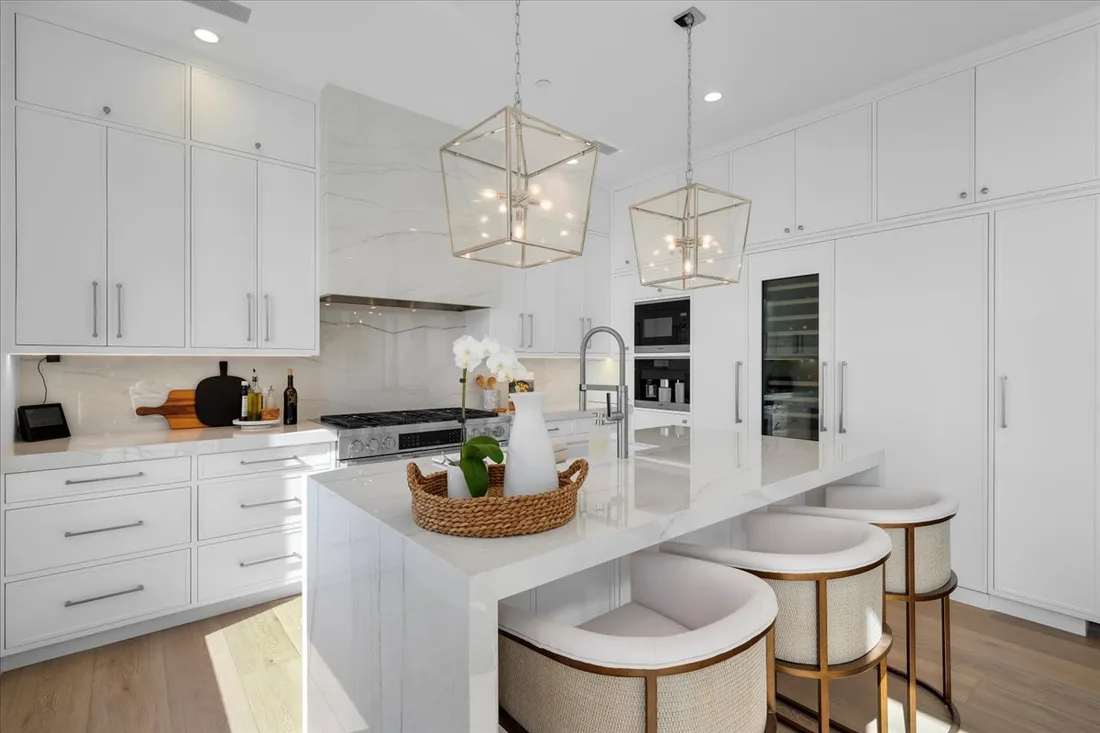
This is the most common cross-shop, because both can give you a marble look. The trade is maintenance vs. performance: quartz is engineered and non-porous, so it never needs sealing and shrugs off stains — but it's only moderately heat-resistant and can yellow in sustained direct sun. Quartzite is natural stone, harder and fully heat- and UV-stable, and it won't etch — but it's porous, so it needs sealing every 12–18 months.
For a shaded, hardworking kitchen where upkeep is the priority, quartz usually wins. For a bright, sun-filled South Bay kitchen — or an island you want to last decades — quartzite is often the smarter buy.
Compare quartz vs quartzite in depth →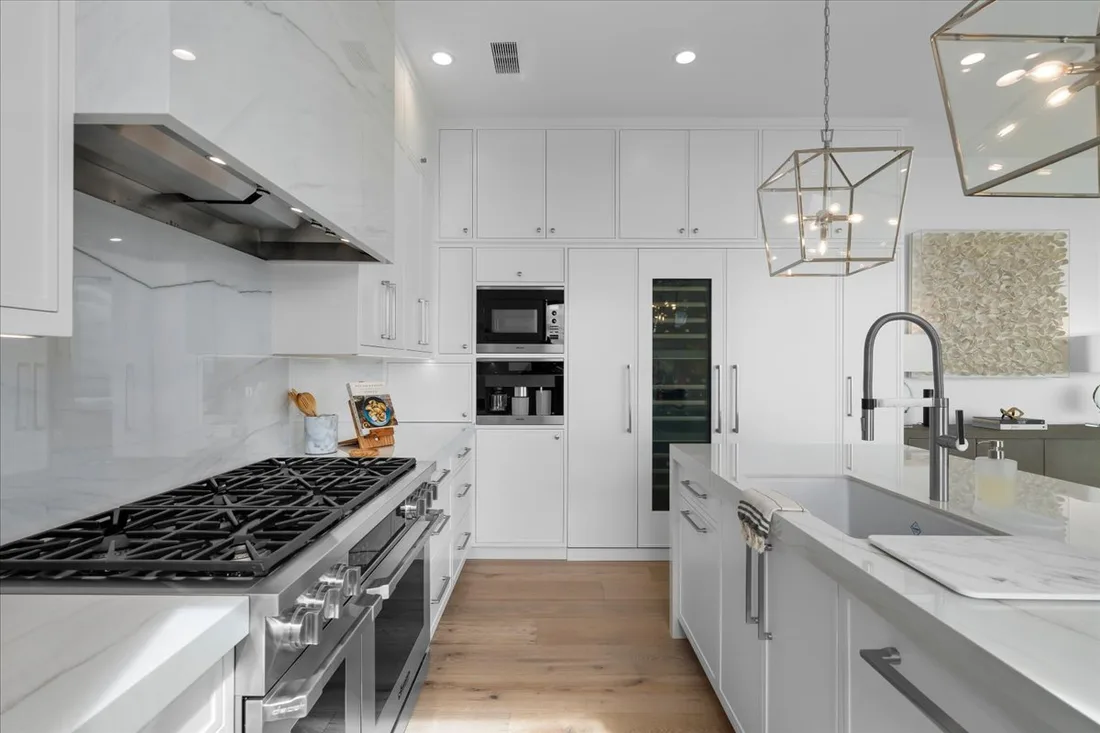
Quartzite vs. marble — the marble-look showdown
If you love the look of marble, this is the decision that matters most. They can look nearly identical in a slab — but marble is soft and etches permanently from everyday acids like lemon and wine, while quartzite is harder than granite and does not etch at all. Both are natural stone and both need periodic sealing against stains.
Our honest guidance: choose marble when you'll accept the patina and keep it to lower-acid zones or a statement island; choose quartzite when you want that same drama on a hardworking surface that will still look pristine in ten years.
Read the marble guide →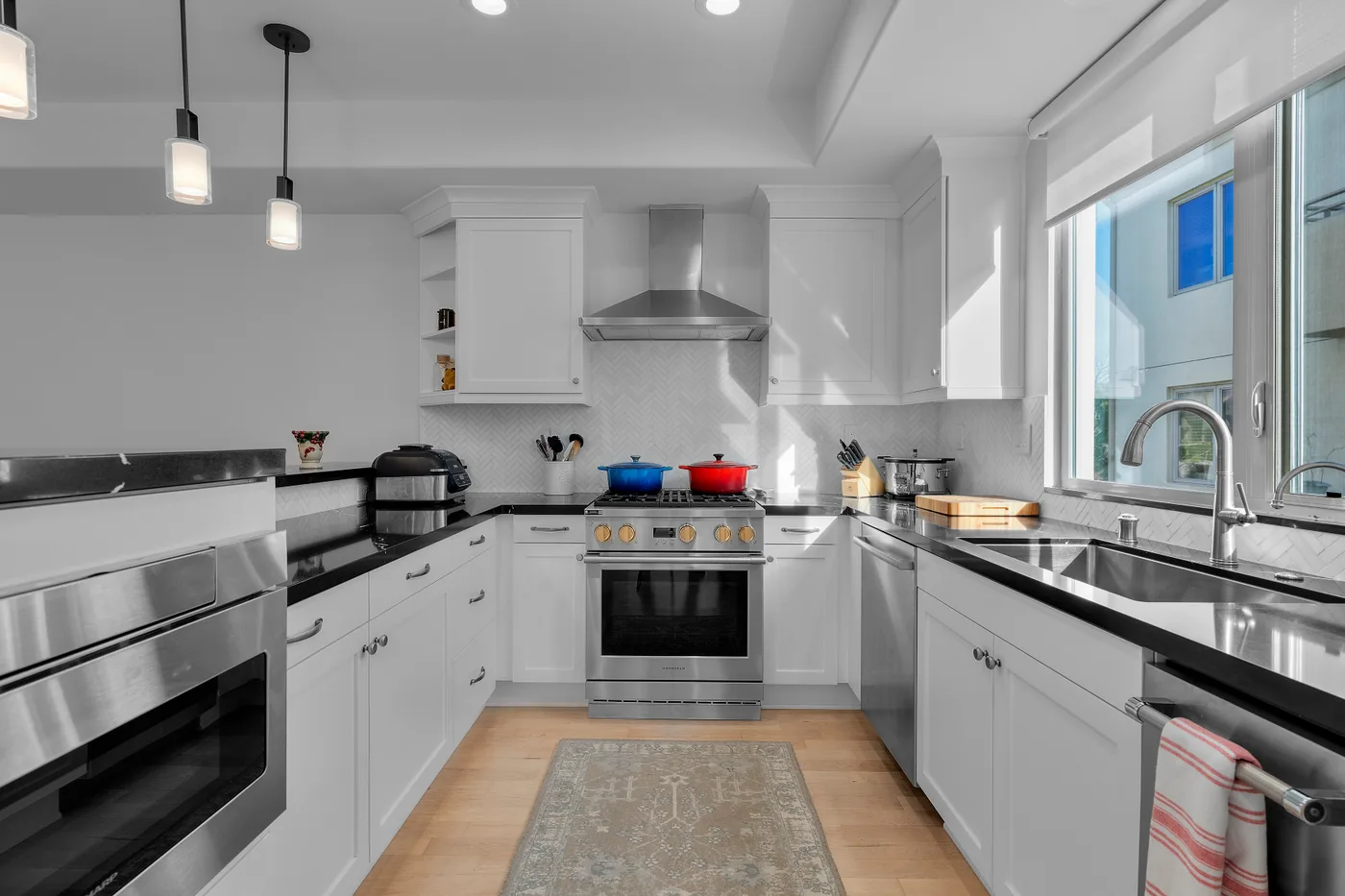
Quartz vs. granite
The classic budget-and-performance question. Granite wins decisively on heat — you can set a hot pan straight down — and it often costs a little less. Quartz wins on maintenance: it never needs sealing, where granite wants resealing every year or two. Both are durable and scratch-resistant.
If you cook hot and hard and don't mind occasional sealing, granite is a great value — just choose a light, subtle-movement slab so it reads 2026, not 2004. If you'd rather never think about upkeep, quartz is the easier life.
Read the granite guide →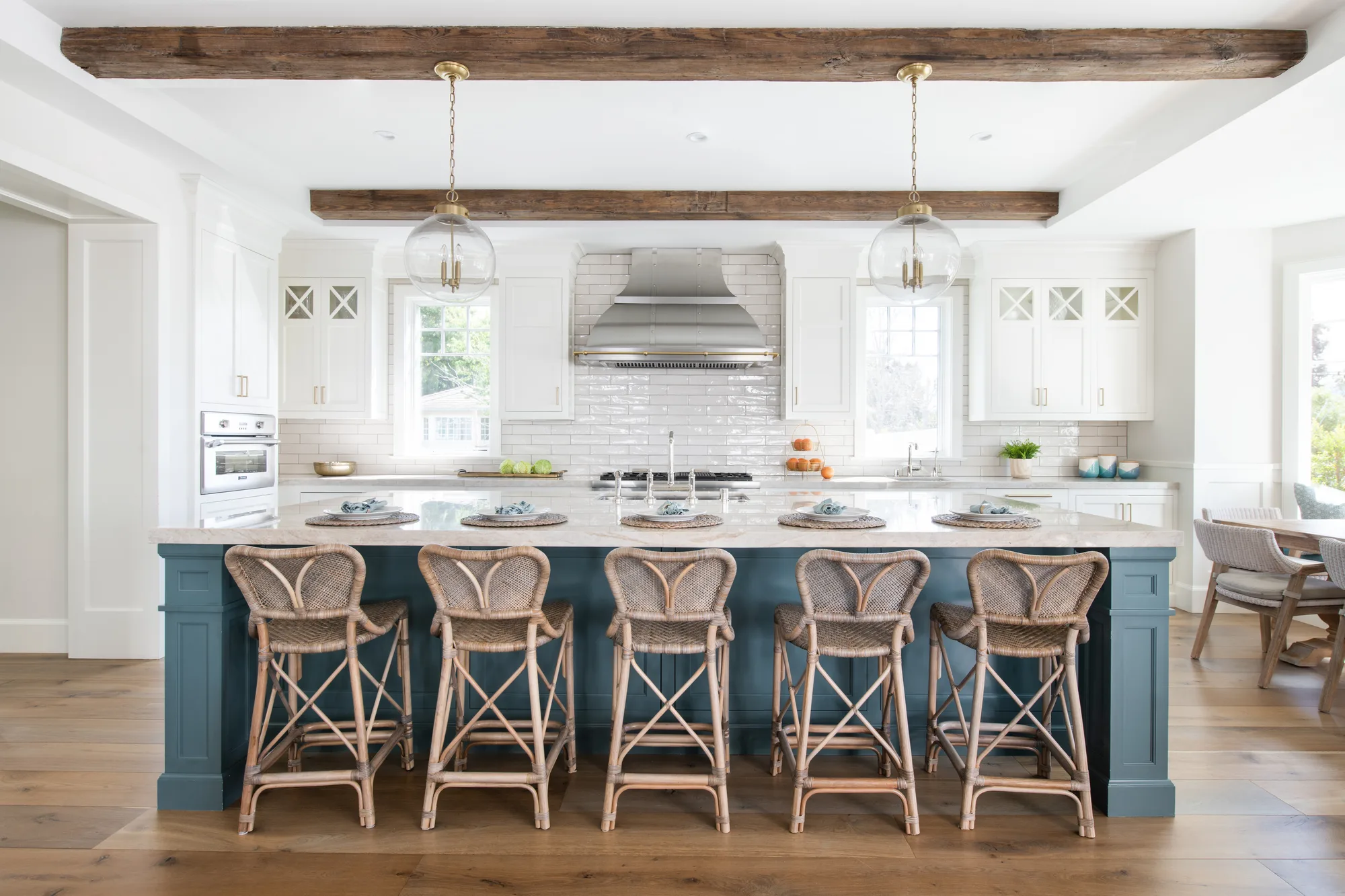
The most durable isn't always the most beautiful. We help you weigh both — honestly.
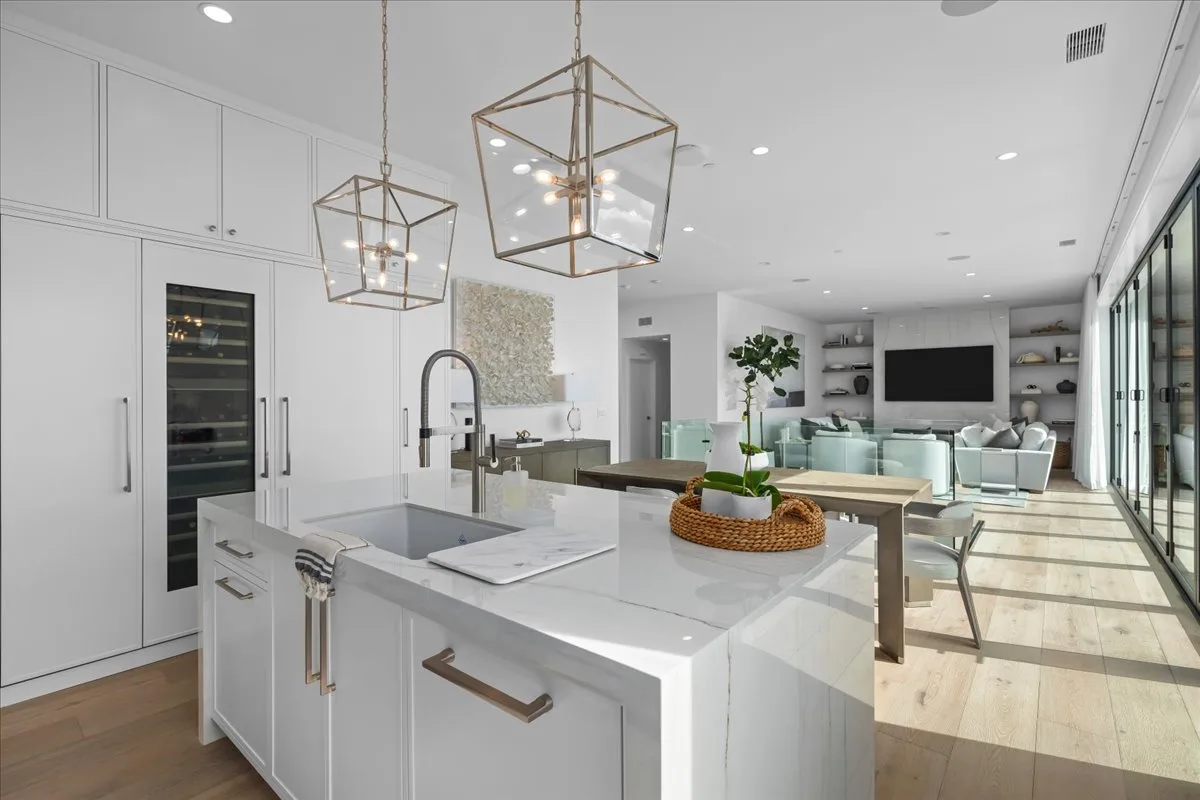
The best countertop for a coastal South Bay kitchen
Our region adds two factors most comparison guides ignore: strong natural light and indoor-outdoor living. Bright, ocean-facing kitchens with large south- and west-facing windows are exactly where quartz can yellow over time — so near all that glass we lean toward UV-stable quartzite or porcelain. For the coastal-contemporary look we build most, honed quartzite and marble-look quartz hit the sweet spot of drama and calm.
Whatever the slab, we fabricate and install it as one milestone in a fixed-scope kitchen — seams planned around the island and range, the template taken after the cabinets are set. The material is only half the job; how it's cut and installed is the other half.
See our countertop materials →Countertop comparison questions
Is quartzite better than quartz?
Neither is universally better — they trade off. Quartzite (natural stone) is harder, fully heat- and UV-resistant, and won't etch, but it's porous and needs sealing every 12–18 months. Quartz (engineered) never needs sealing and resists stains best, but it isn't heatproof and can yellow in direct sun. Sunny kitchens and heavy use favor quartzite; low-maintenance priorities favor quartz.
What is the most durable countertop material?
For everyday kitchen durability, sintered porcelain (Dekton, Neolith) and quartzite lead — both are extremely hard, heat-resistant, and UV-stable. Quartz and granite are also very durable. Marble is the least durable of the popular stones because it's soft and etches.
Which countertop is cheapest, and which is most expensive?
Butcher block is typically the least expensive popular option, followed by entry-level quartz and granite. At the top end, premium Calacatta marble and high-end quartzite are the priciest. Most mid-range kitchens land between roughly $70 and $140 per square foot installed.
Does marble really etch?
Yes — all marble etches permanently from everyday acids like lemon, wine, and vinegar, and sealing does not prevent it (sealing only slows staining). A honed finish hides etching better than polished. If that's a dealbreaker, quartzite gives a nearly identical look without etching.
Which countertop lasts the longest?
Well-maintained natural stone (quartzite, granite) and sintered porcelain can last the life of the kitchen — 30 years or more. Quartz commonly lasts 25–50 years. Marble lasts as long physically but shows wear and patina sooner. Longevity depends heavily on fabrication and installation quality.
What's the best countertop for resale value?
Quartz and granite are the most broadly appealing to buyers, reading as durable and move-in ready; a light, current-colored slab helps most. Quartzite and marble can add a premium, high-end feel in upper-tier homes. The safest resale choice is a quality material in a light, timeless color, well installed.
Still deciding? Let's look at slabs together
We'll walk your kitchen, talk through how you cook and how much sun it gets, and help you choose the right material — then price it in writing. A real person answers, usually the same day.