Refacing vs replacing cabinets: which is right for your kitchen?
We build fully custom cabinetry and we also reface. That means we have no reason to push you either direction — so here is the honest way to decide, starting with what is actually behind your doors.
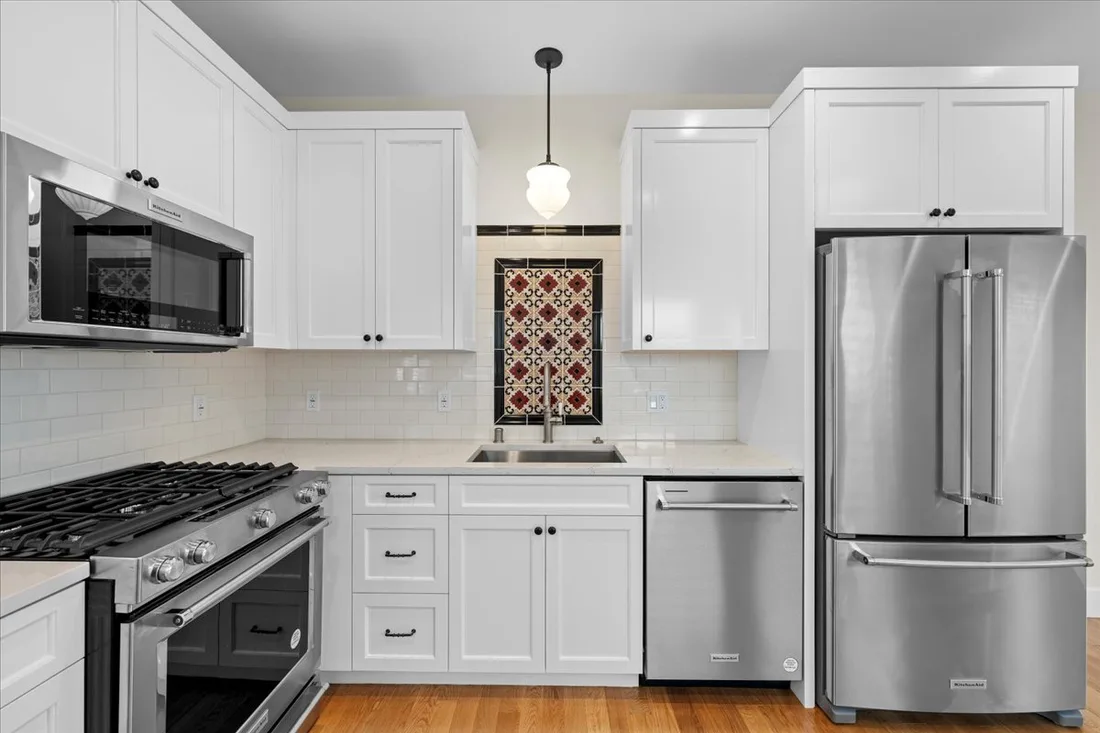
Cabinets are the largest visual and budget line in almost every kitchen, so this is one of the first real decisions a homeowner faces: keep the boxes you have and reface them, or tear them out and start fresh with custom.
The honest answer is that it depends on three things — the condition of your existing boxes, whether your layout is actually serving you, and what you want the kitchen to become. Most advice you will find online skips straight past the first two, because most of the companies writing it only sell one of the two options.
Here is how we think it through, including a South Bay wrinkle that decides this question more often than anything else and that almost nobody mentions: the soffit.
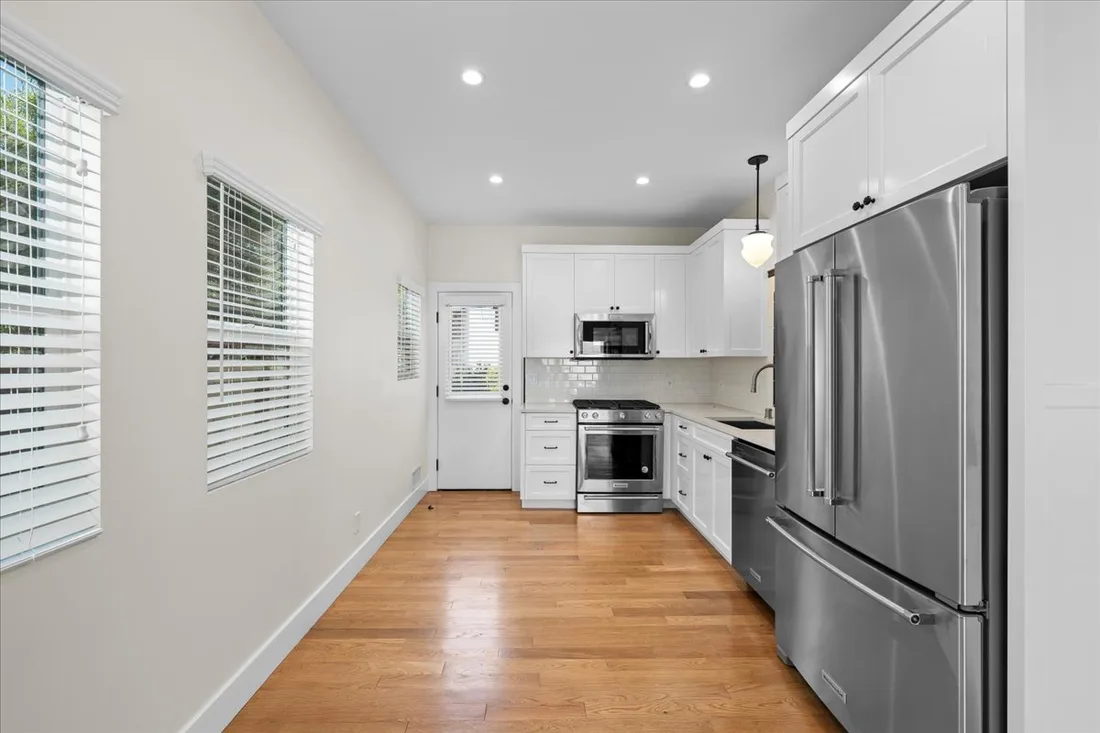
A face transplant, not a rebuild
Refacing keeps your existing cabinet boxes — the structural carcasses bolted to the wall — and replaces everything you can see. New doors and drawer fronts, new veneer or laminate over the exposed cabinet faces and end panels, and generally new hinges, hardware, and soft-close mechanisms throughout.
When it is done well, the kitchen genuinely looks new, because every visible surface is new. What does not change is the footprint, the box layout, and the interior storage configuration. The cabinet that was 24 inches wide with two shelves is still 24 inches wide with two shelves.
That is the whole trade. If your boxes are sound and your layout works, refacing delivers a dramatically different-looking kitchen without demolishing and rebuilding the structure behind it. If either of those things is not true, refacing puts a beautiful door on a problem you still have.
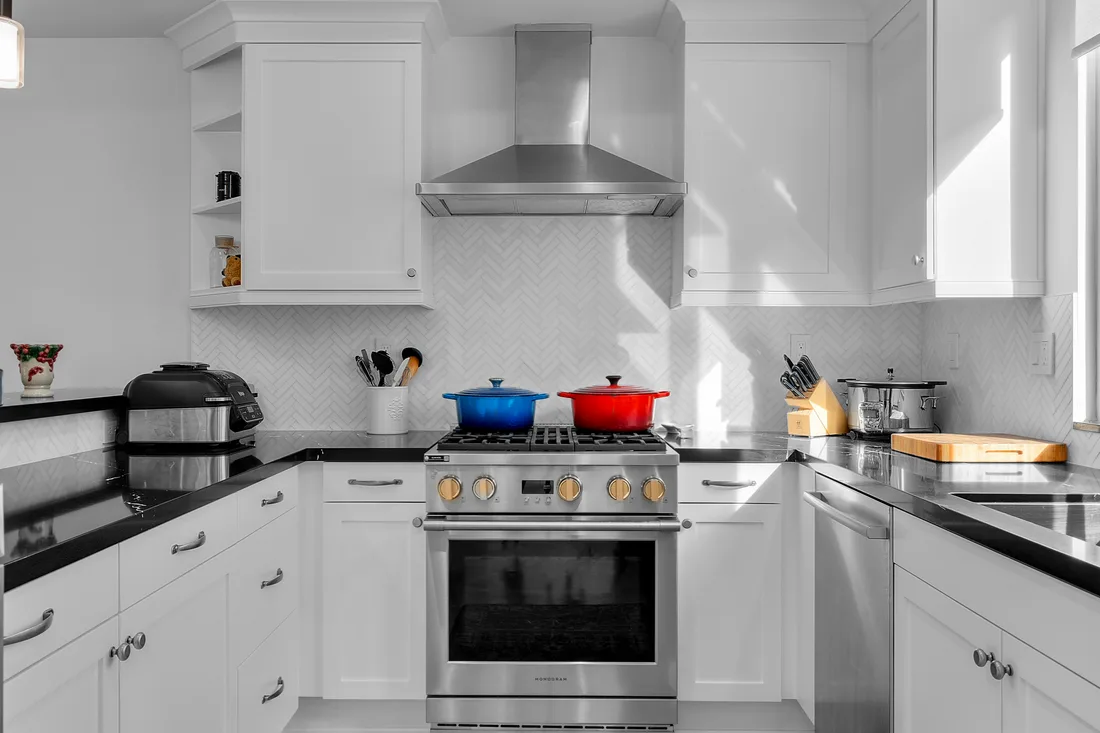
The soffit is usually the real decision
Walk into a kitchen in a West Torrance, North Redondo, Lawndale, or Gardena tract home built between roughly 1948 and 1965 and you will almost always find the same thing: eight-foot ceilings, wall cabinets that stop around 84 inches, and a boxed-in soffit filling the gap above them.
That soffit is the single biggest reason these kitchens feel dated, and it is the thing refacing cannot touch. Reface the doors and you get a fresh, much better-looking kitchen — with the same low, heavy line running around the room above it.
Replace the cabinets and the soffit can usually come out. Wall cabinets run to the ceiling, the eye is pulled upward, the room reads noticeably taller, and you gain a full extra shelf of storage around the entire perimeter. In an eight-foot post-war kitchen it is the most transformative single move available, and it is frequently what people are actually reacting to when they say the kitchen feels cramped.
The honest caveat: soffits sometimes contain things. Ductwork, plumbing vents, or structural framing turn a simple removal into a real scope item. We open one up and look before promising anything, because the answer genuinely varies house to house even within the same tract.
Explore custom kitchen cabinets →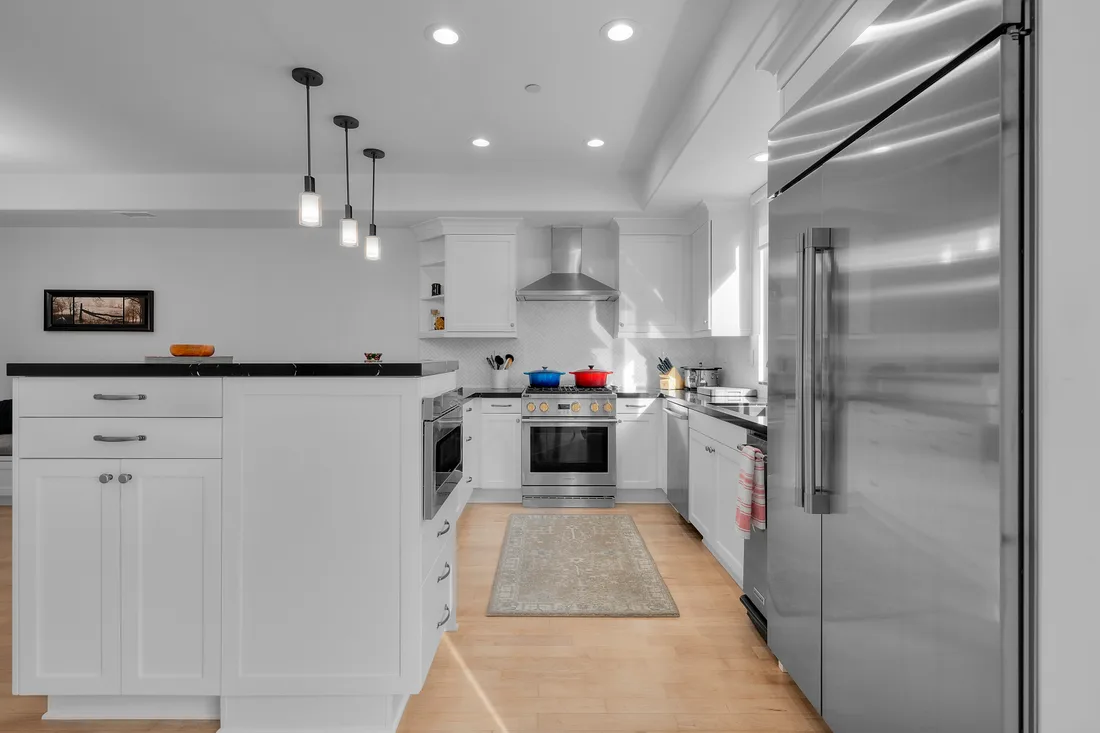
How to tell whether your cabinets are worth keeping
Age is a poor proxy for quality here, and the intuition most people have about it is backwards.
Original 1950s and 60s cabinetry in South Bay tract homes was often site-built from real plywood by a finish carpenter. Those boxes are frequently square, solidly anchored, and in better structural condition than cabinetry installed thirty years later. They are excellent refacing candidates. The doors are dated; the boxes are not the problem.
Builder-grade cabinetry from the 1980s and 90s is the opposite story. Particleboard carcasses with a thin melamine skin, stapled rather than joined, often already sagging under a stone countertop that was added later. Refacing these is money spent on a structure that is failing behind the new doors.
Then there is the coastal factor. In Hermosa, Manhattan Beach, El Segundo, and the beach-adjacent parts of Redondo, sustained humidity is hard on the wrong materials. Thermofoil fronts delaminate at the edges, and unsealed MDF swells wherever water reaches it — under the sink first, always. If your existing cabinets show swelling at the base or peeling at the door edges, that is the material telling you it has lost. Near the water we specify accordingly, whichever route you take.
The checks worth doing yourself: open and close a few doors and see whether they hang square; press on a shelf and see whether it flexes; pull out the under-sink cabinet contents and look at the floor of it; and check whether the boxes are firmly attached to the wall. Water damage, warping, crumbling particleboard, or a base that has gone soft are all disqualifying.
Refacing and replacing, compared honestly
Typical, market-observed ranges rather than quotes. Your numbers depend on cabinet count, door style, material, and the condition of what is already there.
| Refacing | Full custom replacement | |
|---|---|---|
| Relative cost | Roughly 40–60% less | The benchmark |
| Install time on site | About 3–5 days | About a week, inside a longer remodel |
| Kitchen usable during work | Mostly yes | No, for roughly six weeks |
| Can change the layout | No | Yes |
| Can remove the soffit / go full height | No | Usually yes |
| Can add new storage types | Limited — some roll-outs retrofit | Yes — deep drawer banks, pantries, appliance garages |
| Panel-ready appliance integration | Rarely practical | Designed in |
| Choice of species and finish | Wide, on the fronts | Complete — white oak, walnut, painted, any door profile |
| Best for | Sound boxes, a layout you like, maximum visual change per dollar | A layout that fights you, failing boxes, or a genuinely different kitchen |
Refacing is meaningfully cheaper and dramatically faster. That is not in dispute. The question is whether it gets you what you actually want — and for a soffited post-war kitchen with a wall between it and the dining room, often it does not.
When refacing is genuinely the right call
Refacing is not a compromise when these things are true. In these cases, replacing sound boxes is spending money to arrive in the same place.
- 01
The boxes are solid.
Square, well-anchored, no water damage, no warping, no delamination. Quality older cabinetry frequently outperforms budget new stock.
- 02
The layout already works.
You are happy with where the sink, range, and cabinet runs are. You are not moving walls, relocating plumbing, or reworking the footprint.
- 03
You want a new look, not a new kitchen.
Going from dated oak to clean white shaker, or to a warm painted finish, genuinely transforms how the room feels — and it is the change most people are picturing when they say they hate their kitchen.
- 04
Time and disruption matter more than maximum change.
A three-to-five-day install with your kitchen mostly usable is a different lived experience from six weeks without one. For some households that difference is decisive on its own.
- 05
You are refreshing to sell or to rent.
For a North Redondo townhome going on the market, or a unit being turned over, refacing delivers a fresh, marketable kitchen for a fraction of a full remodel. The return math is hard to argue with.
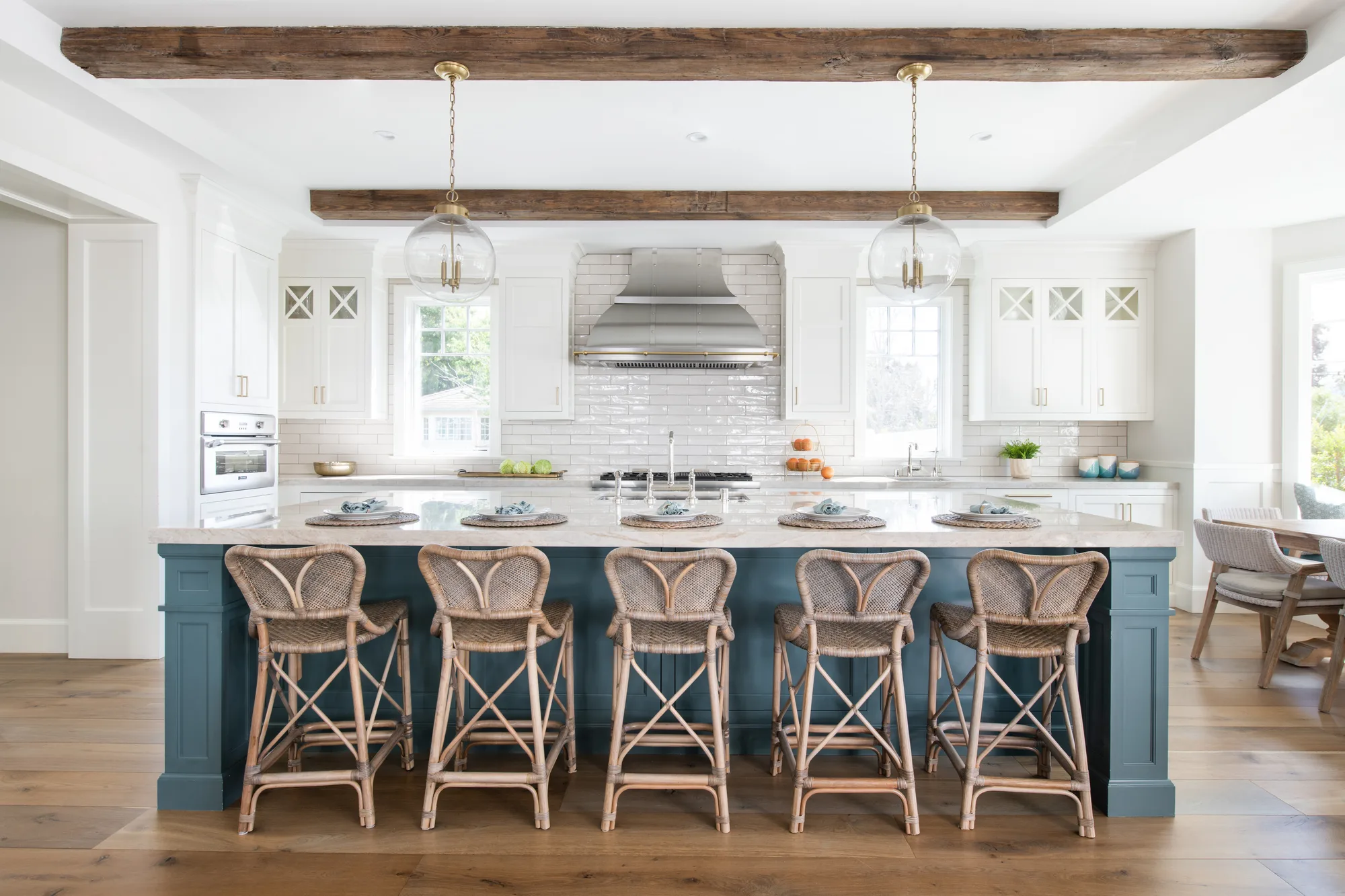
Refacing can't move a box that needs to be somewhere else, and it can't create storage that doesn't already exist.
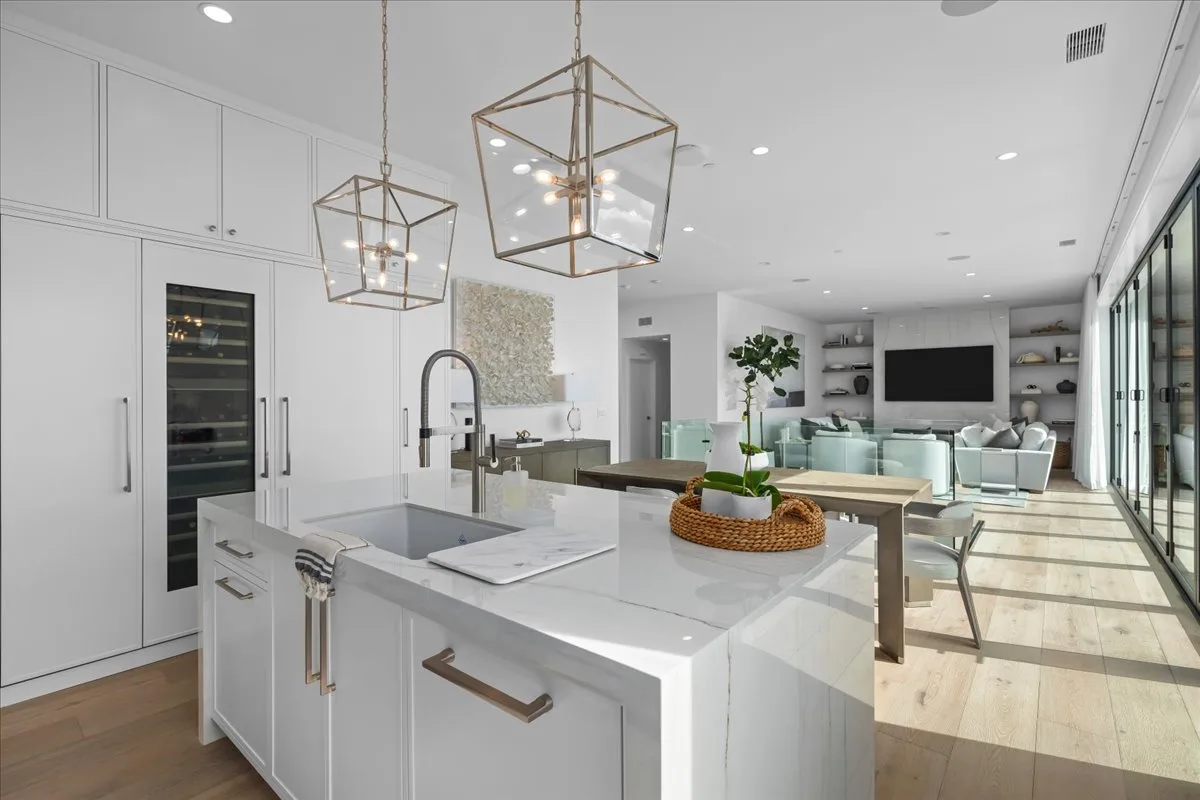
When full custom replacement earns its cost
Replacement is worth the higher number when refacing structurally cannot deliver what you are after.
You want to change the layout. Moving the sink, relocating the range, adding an island, or opening the kitchen to the living room means new cabinet runs. This is the most common one in post-war South Bay homes, where the kitchen was designed as a closed working room with a wall between it and everywhere the family actually is. Opening that wall is usually the entire point of the project.
The boxes are failing. Water damage, warping, crumbling particleboard, or cabinetry that was poorly built to begin with. New doors do not fix a structure that has lost.
You want storage that does not currently exist. Deep drawer banks instead of shelves you have to kneel to reach, a floor-to-ceiling pantry, roll-outs throughout, an appliance garage, integrated organization. Refacing keeps your existing interiors, so these need new cabinetry designed around them.
You want a true custom kitchen. Full-height cabinetry scribed to the ceiling, integrated panel-ready refrigeration that disappears into the run, a specific species like white oak or walnut, dovetailed drawer boxes throughout, a cabinetry-clad hood. That is a build, and it is what turns a kitchen into the kitchen.
We do both — so the recommendation follows your kitchen
No inventory to protect.
Plenty of companies offer one option, so their advice conveniently matches what they sell. We build custom and we reface.
We look before we advise.
Box condition, foundation, soffit contents, and whether your layout is actually the problem. Photos are a start; a walkthrough is better.
We will talk you out of the pricier option.
If you have great boxes and a layout that works, refacing gets you most of the transformation for a fraction of the cost, and we will say so.
Same care either way.
A fixed written scope, a real timeline, one point of contact, and no surprise change orders — whichever route you take.
Refacing vs replacing FAQ
Is it cheaper to reface or replace cabinets?
Refacing is cheaper — typically about 40 to 60 percent less than full replacement — because it keeps your existing boxes and replaces only the visible surfaces. It is also much faster, usually a three-to-five-day install versus weeks for a custom rebuild.
What is cabinet refacing?
Refacing keeps your existing cabinet boxes and replaces the doors, drawer fronts, and exposed veneer, plus new hinges and hardware. The kitchen looks new because every visible surface is new, but the layout, box sizes, and interior storage configuration stay exactly as they are.
When should I replace cabinets instead of refacing?
Replace when you want to change the layout, when the boxes are damaged or poorly built, when you want storage the current cabinets do not have, or when you want to remove a soffit and run cabinetry to the ceiling. Refacing cannot move a box or create storage that is not already there.
How long does cabinet refacing take?
A typical reface installs in about three to five days, versus weeks for full custom replacement. There is far less demolition and dust, and your kitchen stays usable for most of the process — which is a large part of the appeal.
Can refacing remove the soffit above my cabinets?
No, and in older South Bay tract homes this is often the deciding factor. Refacing works within the existing cabinet heights, so the boxed soffit stays. Removing it and running cabinetry to the ceiling requires new cabinetry — and we check what is inside the soffit first, since ductwork or plumbing vents can change the scope.
Are my 1950s cabinets too old to reface?
Often the opposite. Original mid-century cabinetry in South Bay tract homes was frequently site-built from real plywood and is structurally excellent — better than a lot of 1980s and 90s particleboard. Age is a poor proxy for condition. What matters is whether the boxes are square, dry, and firmly anchored.
Does living near the beach affect which option I should choose?
It affects materials more than the decision itself. Sustained coastal humidity delaminates thermofoil fronts and swells unsealed MDF, usually starting under the sink. If your current cabinets show swelling at the base or peeling door edges, that is a sign the material has failed. Near the water we specify moisture-tolerant materials and finishes either way.
Not sure whether to reface or replace?
Send us a few photos of your kitchen and tell us what you would change. We will give you an honest recommendation — including talking you out of the more expensive option if that is the right answer.