How long does a kitchen remodel take?
Most people are not really asking about weeks on a calendar. They are asking how long their life will be disrupted. Here is the honest answer, phase by phase, with the South Bay specifics that move the number.
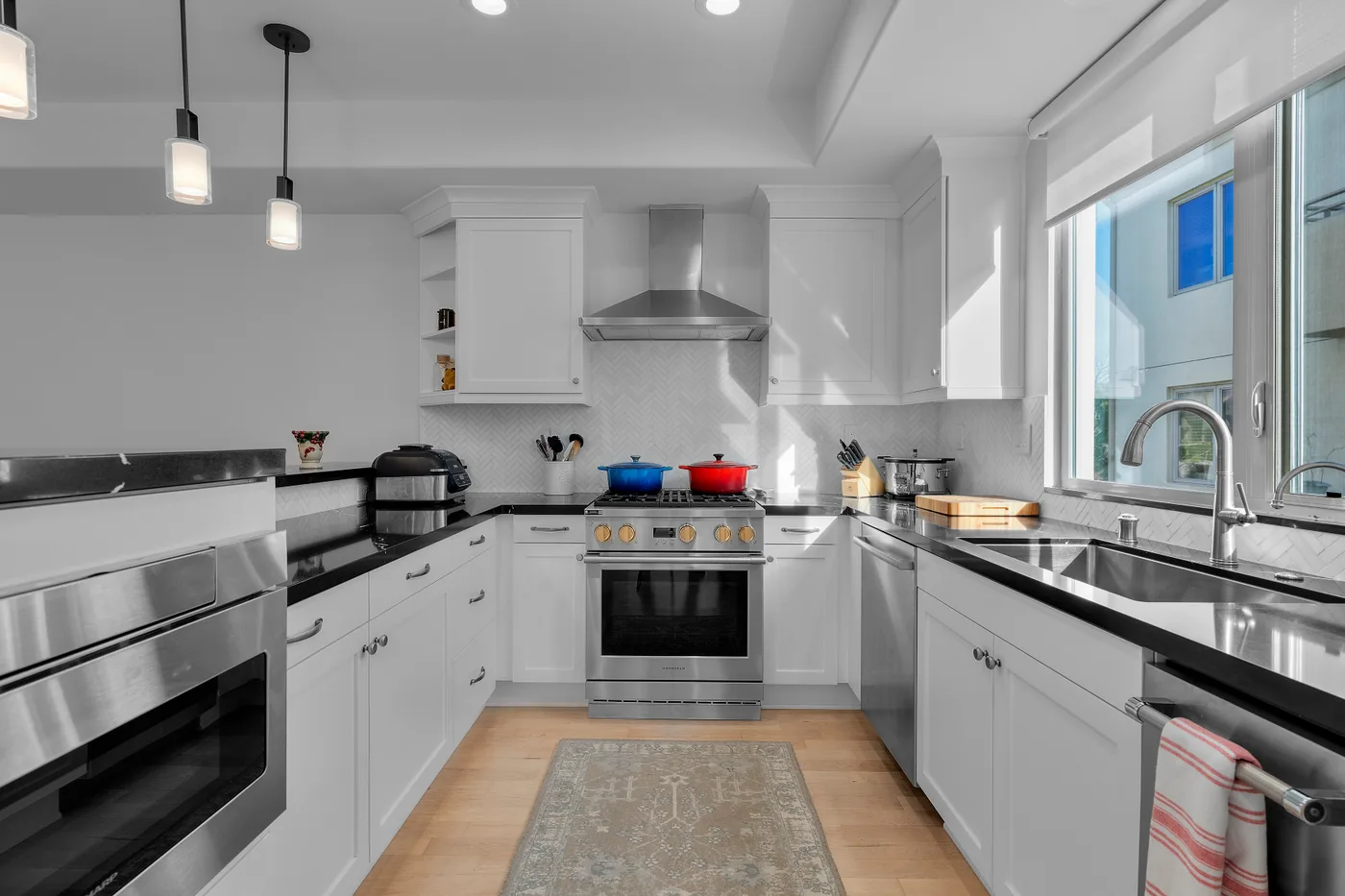
The kitchen is the one room you cannot easily do without, and the fear of a project dragging on for months is among the most common reasons people put off starting. So let us put the number on the table first.
A typical kitchen remodel runs about six to twelve weeks of active construction, with your kitchen out of service for roughly six of those weeks. A major remodel — one that moves walls, changes the footprint, or goes fully custom — commonly runs three to five months of build time. And design plus permitting happens before construction begins, adding real lead time on the front end that almost nobody counts.
Those are typical ranges rather than a promise about your specific kitchen. What follows is what actually fills those weeks, which delays are genuinely unavoidable and which are planning failures, and the handful of South Bay realities — slab foundations, walk streets, marine layer, plan-check queues — that quietly add or remove weeks depending on where your house sits.
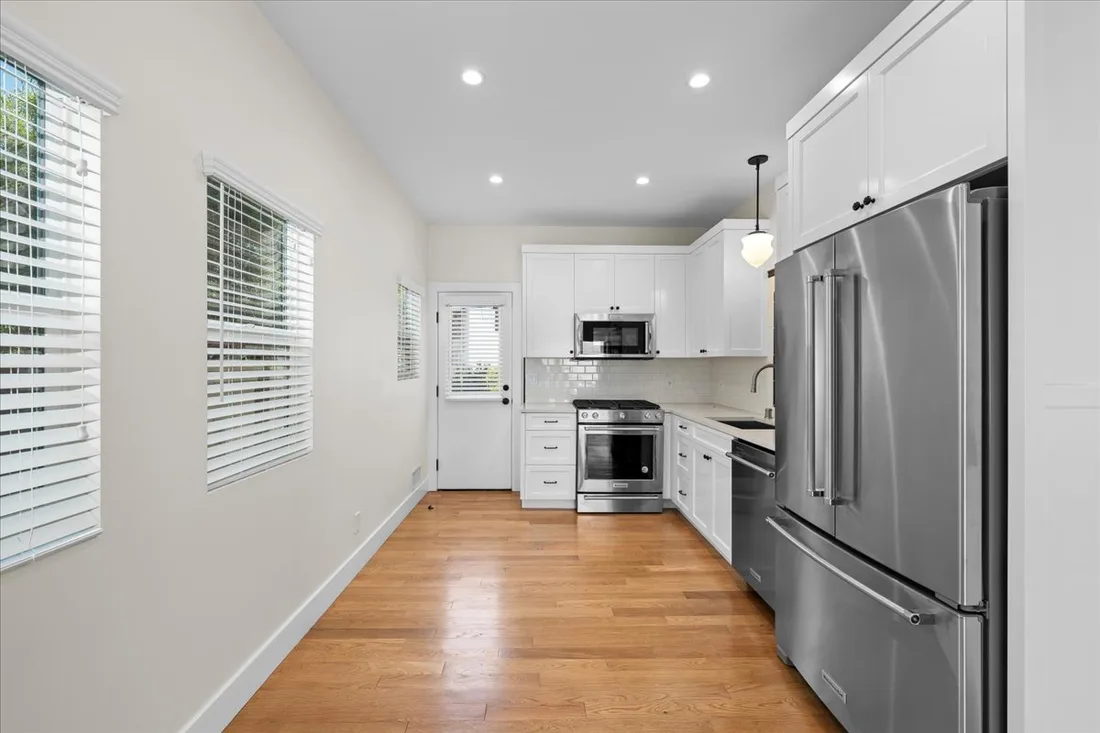
There are two timelines, and people only budget for one
Homeowners consistently underestimate a remodel's length because they count only the construction. There are really two phases, and the first one is invisible.
Design and permitting is the lead time. Before a single cabinet comes out you are finalizing the design, making selections, ordering cabinets and long-lead items, and moving a submittal through your city's plan check. Depending on the complexity of the design and the queue at your particular counter, this front end can run from a few weeks to a couple of months.
It feels like nothing is happening. It is the phase where a smooth build is won or lost. Every decision deferred here becomes a change order later, at roughly ten times the cost and with a ripple through everything downstream.
Construction is the visible part — the six to twelve weeks when crews are in your home. It is the phase people picture when they ask the question, and it is the one that behaves predictably when the first phase was done properly.
The build, phase by phase
Every kitchen is different, but a typical build moves through these stages in this order. The durations assume decisions were made during design and materials are on site when needed.
- 01
Demolition — a few days.
Dust containment goes up first, then old cabinets, counters, and finishes come out. On a pre-1980 home, testing has already happened by now and any abatement is scheduled rather than discovered.
- 02
Rough-in: framing, electrical, plumbing, ventilation — one to two weeks.
Structural changes first, then the trades run new wiring, plumbing, and venting inside the open walls. This is where hidden conditions surface in older South Bay homes, and where a slab foundation turns a sink relocation into a saw-cutting and re-pour operation.
- 03
Inspections — built into rough-in, not after it.
The city inspects rough electrical and plumbing before anything is closed up. This has to pass before drywall. Booking it into the schedule rather than around it is the difference between a smooth week and a lost one.
- 04
Drywall and paint prep — about a week.
Walls close up, get taped, textured, and primed. In the deep marine layer of a May or June morning, drying and cure times genuinely run longer near the water than they do inland. It is a real scheduling input, not an excuse.
- 05
Flooring — a few days.
Timing depends on material and where it falls in the sequence relative to cabinets.
- 06
Cabinet installation — about a week.
Custom cabinetry goes in, gets leveled, and is scribed to walls that are never as square as anyone would like — particularly in homes from the 1940s and 50s.
- 07
Countertop templating and fabrication — one to two weeks of waiting.
Counters cannot be measured until the cabinets are set. Then the slab is templated, fabricated off-site, and returned for installation. This is a genuine gap where nothing visible happens in your kitchen, and it is the phase homeowners find hardest, because the room looks nearly finished and then simply sits.
- 08
Backsplash, trim-out, appliances — about a week.
Sink and faucet connected, outlets and lighting finished, appliances set and commissioned. Panel-ready refrigeration gets its fronts fitted here.
- 09
Punch list and final inspection — a few days.
Hardware, adjustments, the final signed inspection card, and the walkthrough.
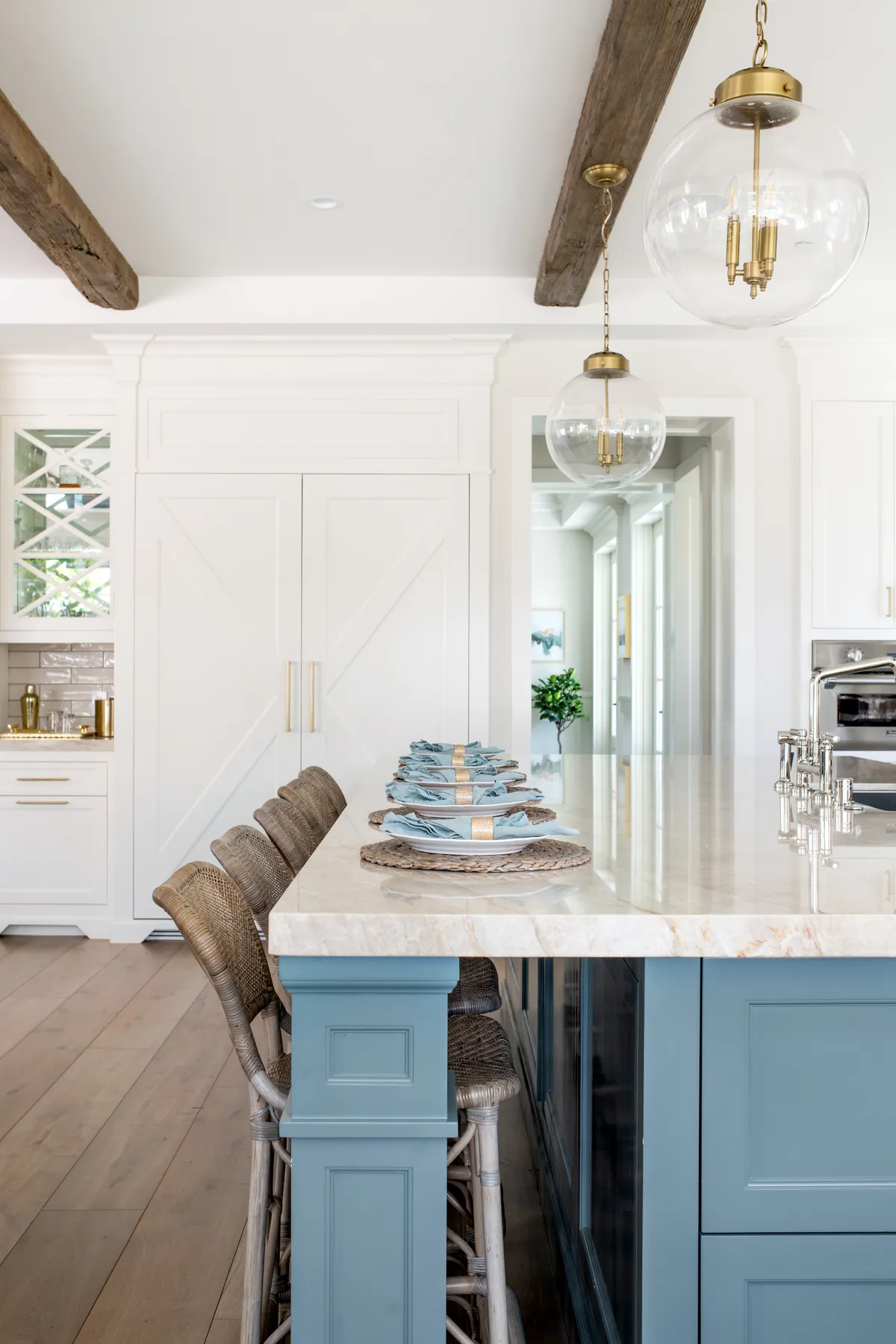
Four South Bay realities that move your number
Foundation type. Much of the post-war tract housing across West Torrance, North Redondo, Lawndale, and Gardena is slab-on-grade, with drain lines cast into the concrete. Relocating a sink or adding an island with plumbing means saw-cutting, trenching, re-plumbing, re-pouring, and inspecting before close-up. Budget one to two additional weeks against the same move in a raised-foundation home in, say, the Hollywood Riviera.
Site access. In the Manhattan Beach Sand Section and on the Hermosa walk streets, there is no driveway to stage from and frequently no vehicle access to the front door. Cabinets, appliances, and stone slabs are carried in by hand, sometimes up two flights, because the reverse floor plans common in those homes put the kitchen on the top floor for the view. It is entirely workable, but it is slower, it needs more crew on delivery days, and it needs the street handled properly. A contractor who has not done it before will discover this on the morning the slab arrives.
Plan check. El Segundo's accelerated hub can turn a straightforward interior kitchen quickly. Other counters run weeks, and any correction cycle restarts the wait. On the Peninsula, a project that touches the exterior adds Art Jury review on a meeting calendar, which is measured in months rather than weeks.
Season. The marine layer that sits over the beach cities from late spring into July lengthens cure times for paint and finishes. And nearly everyone wants their kitchen finished by Thanksgiving, which makes late summer the most contested slot on every good contractor's calendar. If you want to be cooking a holiday meal in the new kitchen, the conversation starts in spring, not in September.
A refresh and a full custom remodel are different animals
Two projects that both get called "a kitchen remodel" can differ by a factor of four. Here is roughly how they compare, front end included.
| Phase | Refresh / refacing | Full custom remodel |
|---|---|---|
| Design & selections | 1–2 weeks | 3–8 weeks |
| Permitting | Often none, if truly cosmetic | 2–8 weeks, longer with corrections |
| Cabinet lead time | 2–5 weeks for doors and fronts | 6–12+ weeks, built to order |
| Construction on site | 3–5 days for a reface install | 6–12 weeks, or 3–5 months if walls move |
| Kitchen out of service | Days, and often usable throughout | Roughly 6 weeks |
| Realistic total | 3–8 weeks start to finish | 4–9 months start to finish |
Cabinet lead time is the number that surprises people most. Fully custom cabinetry is built to order, and it is on the critical path — which is why we order it during design rather than after demolition. If you are weighing the two scopes, our refacing versus replacing guide covers the decision itself.
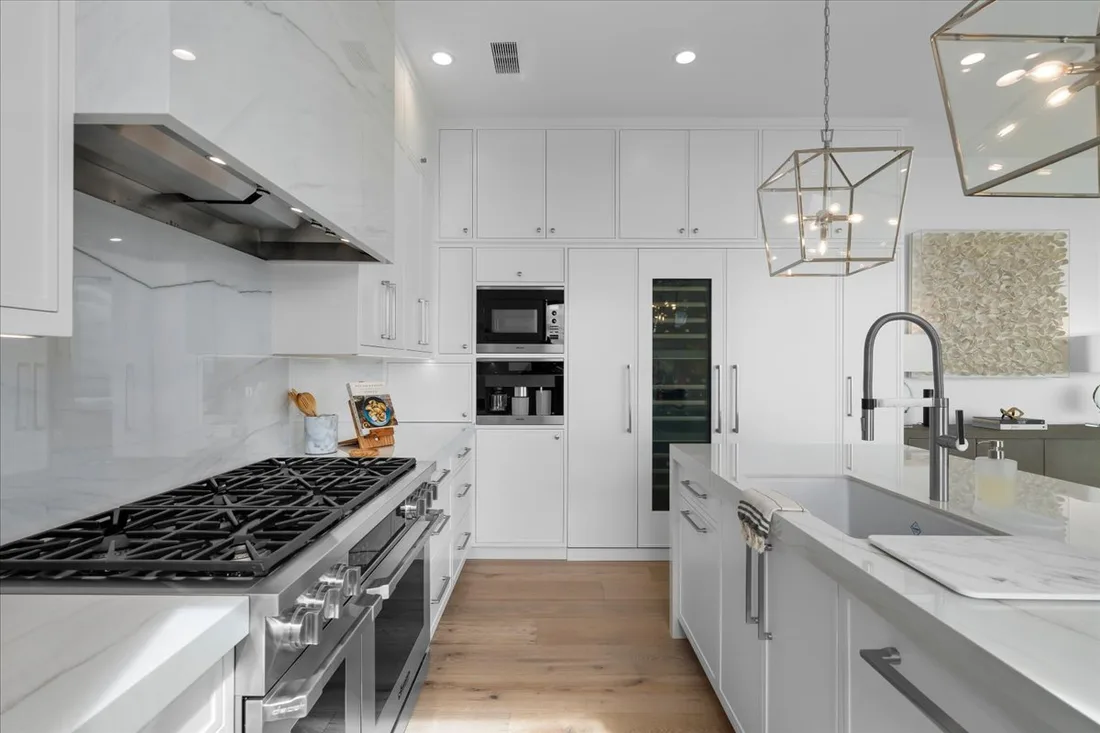
Most delays are planning failures, not construction failures
Projects that blow their timelines almost always trip on the same short list, and the pattern is worth noticing.
Permit corrections. Plan check takes as long as the city takes, but correction cycles are self-inflicted. A complete, correct submittal to the right department is the cheapest week you will ever buy.
Custom cabinet lead times. Built-to-order cabinetry takes weeks. Ordered during design, it arrives when the boxes come out. Ordered after demolition, your kitchen sits gutted while a shop builds it.
Material backorders. A discontinued tile, a specialty appliance on allocation, a slab that has to be sourced from a yard that does not have it. Availability gets confirmed before we schedule, and long-lead items get flagged in writing up front.
Change orders mid-build. Deciding to move the island after cabinets are set ripples through counters, electrical, and flooring. Front-loading decisions during design is what makes mid-build changes rare rather than routine.
Older-home surprises. Open a wall in a 1940s-to-70s South Bay home and you may find cloth-wrapped wiring, galvanized supply lines, or a 100-amp panel that cannot support a modern kitchen. We plan for what is likely behind the walls, put a transparent contingency in the scope, and price the upgrade before it becomes an argument over an invoice.
Notice what these have in common. Almost none of them are about how fast anyone swings a hammer.
Read the permit guide →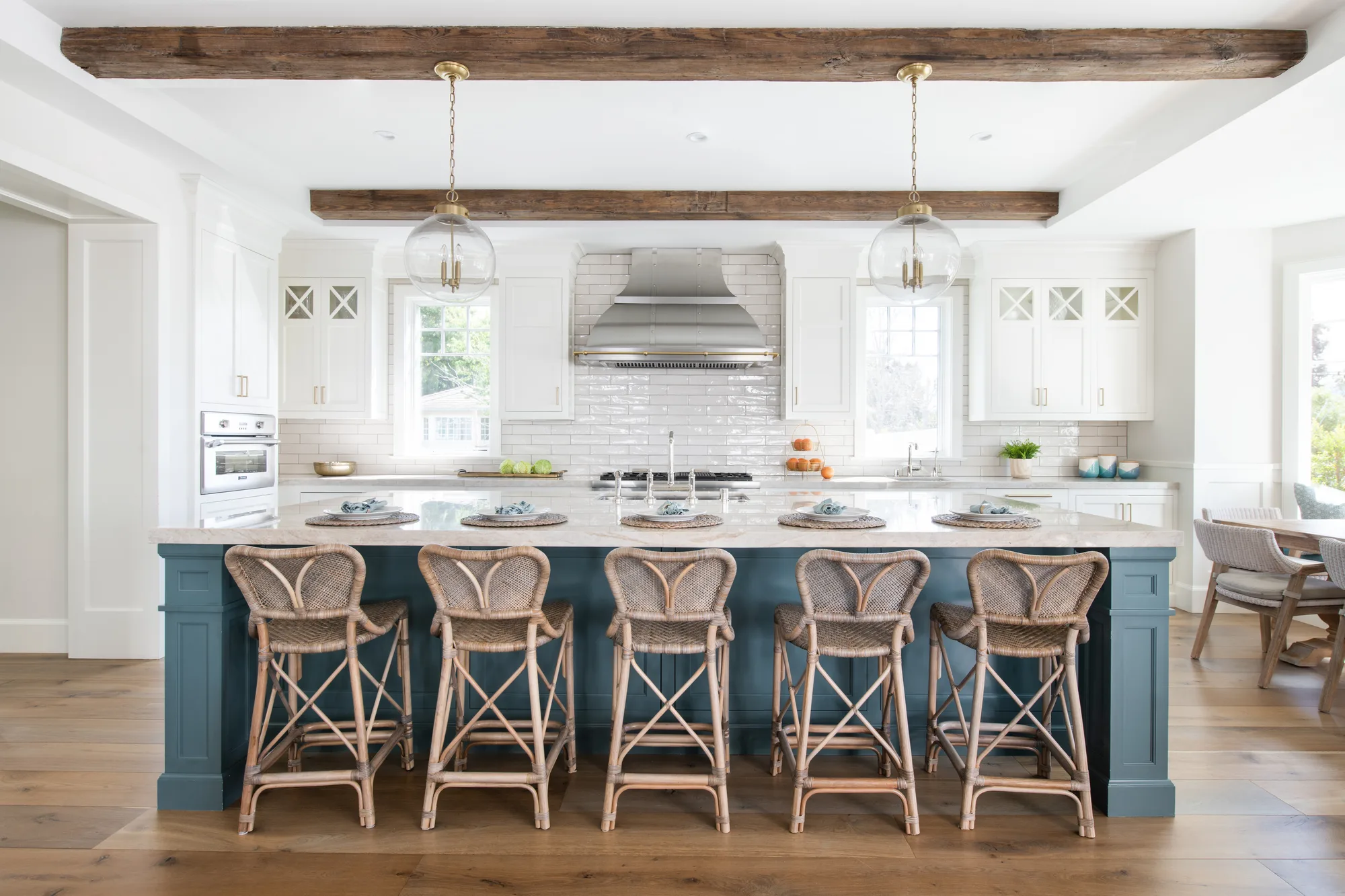
The countertop gap is the hardest week. The room looks nearly finished, and then it simply sits while a slab is fabricated off-site.
Can you stay in the house? Most of our clients do.
It is a disruption, not a catastrophe — and knowing the real shape of it up front is most of what makes it manageable.
Dust containment comes first. We seal the kitchen off from the rest of the house with plastic barriers, protected floors, and controlled pathways, so construction dust stays in the work zone. This matters most in older homes, where opening walls can disturb lead or silica dust, and it is not the place to economize.
A temporary kitchen goes in before demo. We help you set it up: relocate the refrigerator and microwave to a dining room or garage, add a folding table, keep a coffee station and a few essentials running. Most families get through on a slow cooker, a toaster oven, an outdoor grill, and a reasonable amount of takeout. In this part of the world the grill does more work than people expect.
And we are honest about the hard weeks. There is a stretch — usually around six weeks — when the kitchen is genuinely unusable, and a shorter stretch in the middle of it that is the worst of the whole project. We will tell you which weeks those are so you can plan a trip, book the in-laws, or simply brace for it, rather than discovering it as it happens.
How we keep a project on schedule
A fixed written scope up front.
Design, materials, and selections settled before demolition, so we are not pausing mid-build to decide things.
Long-lead items ordered during design.
Custom cabinets and specialty appliances go on order early, so they arrive when the schedule needs them.
Sequenced trades, one accountable team.
Because kitchens are our focus, the sequence is dialed in. No waiting on a sub who is on another job across town.
Milestone updates with photos.
You will know where your kitchen stands at every phase, even from the office. No wondering whether anything is happening.
Kitchen remodel timeline FAQ
How long does a kitchen remodel take?
A typical kitchen remodel runs about six to twelve weeks of active construction, with the kitchen out of service for roughly six weeks. Major remodels that move walls or go fully custom commonly take three to five months of build time. Design and permitting add several more weeks before construction starts.
How long is a kitchen out of service during a remodel?
Usually around six weeks — from demolition through the point where counters, sink, and appliances are back in and working. The hardest stretch is the countertop fabrication gap, when the room looks nearly done but has no working surfaces. We help you set up a temporary kitchen before demo.
Why do kitchen remodels take so long?
Most of the time goes to things other than construction: design, permitting, custom cabinet lead times, and countertop fabrication that cannot start until cabinets are installed. Delays typically come from permit corrections, backorders, mid-project changes, or conditions hidden inside older walls — nearly all of which good planning prevents.
Can you live in your house during a kitchen remodel?
Most homeowners can and do. We use dust containment to seal the work zone and help you set up a temporary kitchen with a refrigerator, microwave, and a few essentials. We are straightforward about the weeks the kitchen is fully down so you can plan around them.
What causes kitchen remodel delays?
Permit correction cycles, long lead times on custom cabinets, material backorders, change orders mid-build, and hidden conditions in older homes such as outdated wiring or an undersized electrical panel. In the South Bay, add slab-on-grade plumbing relocations and limited site access in the beach cities.
Does it take longer to remodel a kitchen in Manhattan Beach or Hermosa?
Often slightly, and it is about logistics rather than the work itself. Narrow lots, walk streets with no vehicle access, limited staging space, and reverse floor plans that put the kitchen on the top floor all mean materials are carried in by hand. We plan crew and delivery days around it, so it is a known cost rather than a surprise.
When should I start if I want my kitchen done by Thanksgiving?
For a full custom remodel, start the conversation in spring. Working backward from a late-November finish through construction, cabinet lead time, permitting, and design puts the design phase around March or April. Late summer is the most contested slot on every good contractor's calendar for exactly this reason.
Want a realistic timeline for your kitchen?
Tell us what you are planning and where you live. We will walk you through the actual schedule — design, permits, build, and the weeks that matter most.